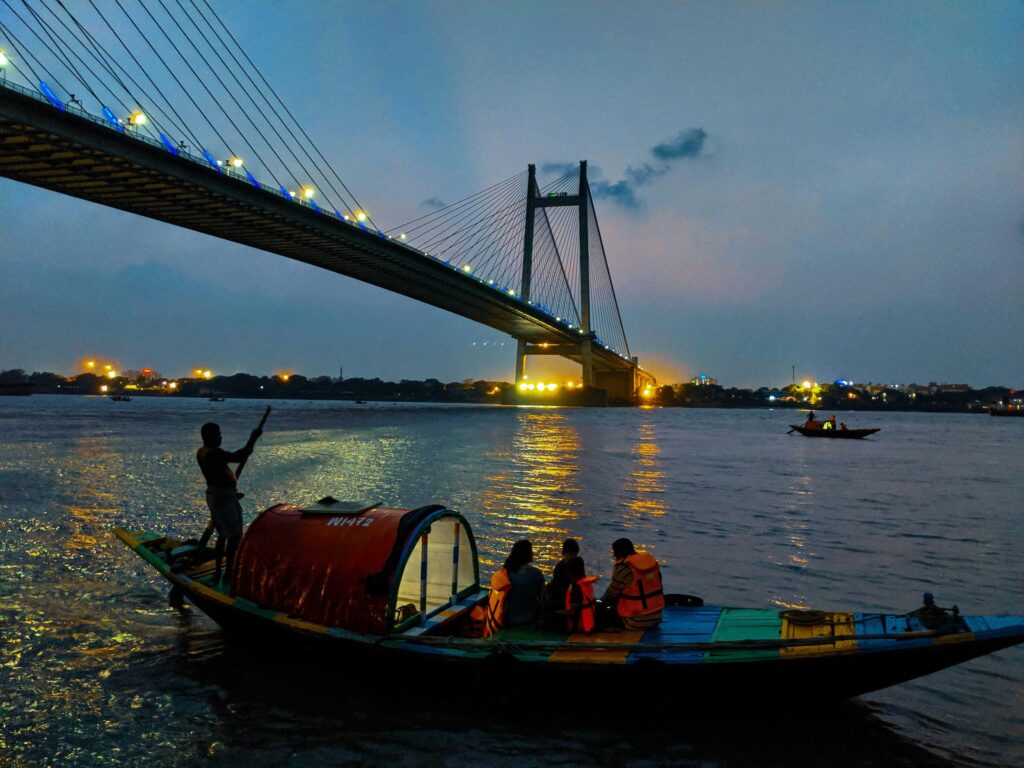
Planning one day in Kolkata and worried it won’t be enough? Here’s the honest answer from someone who lives here: 24 hours in Kolkata won’t show you everything, no city with 300 years of layered history gives itself up that fast, but it’s absolutely enough to fall for the place. Enough for a sunrise by the Hooghly, a proper Bengali breakfast, the marble glow of Victoria Memorial, a plate of kathi rolls eaten standing on a footpath, and an evening on Prinsep Ghat watching the Howrah bound ferries slide under a lavender sky.
This one day itinerary for Kolkata is built the way a local would actually walk it, not a checklist of monuments, but a route that follows the city’s natural rhythm: river at dawn, heritage by mid morning, food all day, and the ghats again at dusk. Whether you’re a solo traveler on a layover, a couple on a weekend hop, or a family squeezing Kolkata into a bigger India trip, this 2026 guide covers what to do in Kolkata in one day, what to eat, what to skip, and exactly how much it’ll cost you.
Quick Overview: 24 Hours in Kolkata at a Glance
- Best time to visit: October to February. Winter (Nov–Jan) is the sweet spot, 15–25°C, dry, and the city is in festival mode. Avoid April–June unless you enjoy 38°C with 85% humidity. Monsoon (July–September) is atmospheric but soggy.
- Budget for one day: ₹800–₹1,200 on a shoestring, ₹2,500–₹4,000 mid range, ₹7,000+ if you’re eating at heritage restaurants and taking cabs everywhere.
- Transportation: Kolkata Metro (India’s oldest, now with the Howrah river crossing line), yellow Ambassador taxis, app cabs (Uber/Ola/Rapido), buses, the tram (heritage stretch), and ferries across the Hooghly.
- Walkability: Central Kolkata (Esplanade, Park Street and Maidan belt) is very walkable. North Kolkata’s lanes are best explored on foot. Distances between zones need transport.
- Google Maps: Reliable for navigation and metro routes. Live traffic is accurate. For buses, locals still beat the app, just ask.
- Good for: Solo travelers (very safe by Indian metro standards), couples (the ghats at sunset were made for you), and families (museums, planetarium, open Maidan spaces).
One Day in Kolkata: The Hour by Hour Itinerary
Here’s the full 24 hour plan in a single table, then we’ll walk through each block in detail.
| Time | What You’re Doing | Area |
|---|---|---|
| 6:00–7:30 AM | Sunrise at Prinsep Ghat + Howrah Bridge views | Riverfront |
| 7:30–9:00 AM | Bengali breakfast: kochuri, jilipi, mishti doi | North/Central Kolkata |
| 9:00–10:00 AM | Flower market under Howrah Bridge (Mallick Ghat) | Howrah Bridge |
| 10:00 AM–1:00 PM | Victoria Memorial + St. Paul’s Cathedral, or College Street + Indian Coffee House | Maidan / College Street |
| 1:00–2:00 PM | Lunch, Bengali thali or biryani | Park Street / Esplanade |
| 2:00–5:00 PM | New Market shopping, Park Street stroll, Indian Museum | Central Kolkata |
| 5:00–8:00 PM | Sunset at Prinsep Ghat or Millennium Park, ferry ride | Riverfront |
| 8:00 PM onwards | Kathi rolls, phuchka, Park Street nightlife or a late night adda over chai | Park Street |
Morning (6 AM–10 AM): The River Owns the City at Dawn
Start where Kolkata started, the Hooghly River. Head to Prinsep Ghat before sunrise. The Palladian monument glows white in the early light, the Vidyasagar Setu cables stretch overhead, and you’ll share the promenade with joggers, tea sellers, and the odd film crew (this stretch has appeared in more Bengali films than anyone can count). Boat rides start early, ₹100–₹150 per person for a short row on the river, and dawn is when the light is worth it.
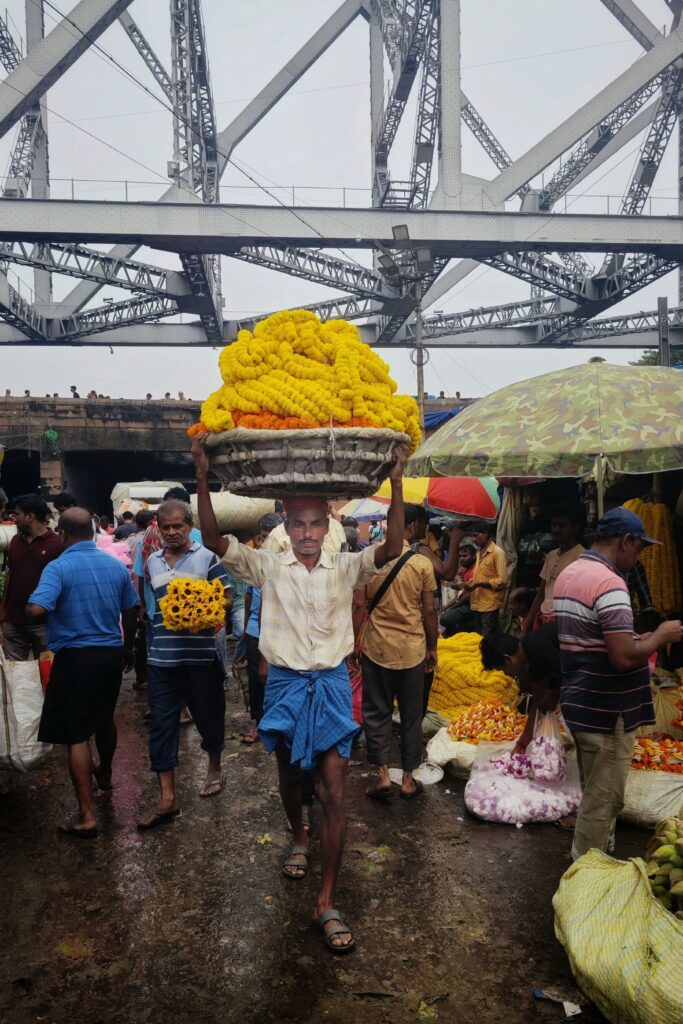
From there, take a quick cab or walk part of the riverfront toward Howrah Bridge, officially Rabindra Setu, unofficially the busiest cantilever bridge on the planet. Under its eastern end sits Mallick Ghat Flower Market, one of Asia’s largest flower markets and easily the most photogenic chaos in the city. Marigold garlands stacked like haybales, porters carrying orange mountains on their heads, the bridge looming grey above it all. Go before 9 AM; by mid morning the best of it is over.
Breakfast, the Bengali way: skip the hotel buffet. Find a kochuri shop, hot, puffed radhaballavi or hing kochuri with cholar dal, followed by jilipi (Bengal’s thinner, crispier jalebi) and a clay pot of mishti doi. Iconic stops: Sharma Tea near Ballygunge for kachori sabzi and malai toast, or any busy North Kolkata sweet shop, the crowd is your quality certificate. Budget: ₹60–₹120 fills you up completely.
Hidden photography spot: the ferry from Howrah station side to Fairlie Ghat mid morning gives you the only unobstructed, head on view of Howrah Bridge, for a ₹6–₹10 ticket. Most tourists never take it.
Late Morning (10 AM–1 PM): Marble, Books, and the City’s Memory
You have two excellent routes here. Pick based on your taste.
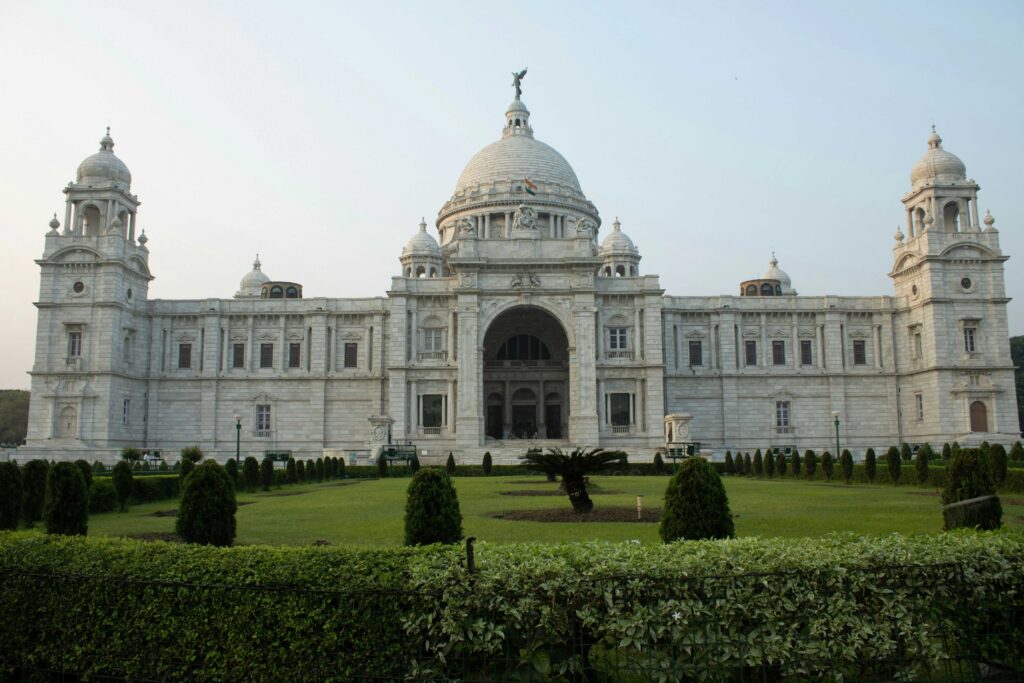
Route A, The Heritage Classic: Victoria Memorial is the postcard for a reason. The white Makrana marble dome, the sprawling gardens, the museum galleries inside covering colonial Calcutta, give it 90 minutes. Entry is around ₹30 for Indians and ₹500 for foreign nationals (gardens only tickets are cheaper). Then walk 10 minutes to St. Paul’s Cathedral, a Gothic revival beauty with stained glass and blessed quiet, and if time permits, peek at the Birla Planetarium next door.
Route B, The Intellectual’s Kolkata: Head to College Street (Boi Para), the largest second hand book market in India, a kilometre of pavement bookstalls where you can find anything from tattered Tagore first editions to last year’s engineering textbooks. Then climb the stairs into the Indian Coffee House, the smoke stained hall where poets, filmmakers, and revolutionaries have argued over infusion coffee since 1942. The coffee is average. The atmosphere is unrepeatable. This is where “adda”, Kolkata’s art of aimless, passionate conversation, lives.
If you move fast and start early, ambitious travelers can do Victoria Memorial first and College Street after lunch. But one day in Kolkata rewards depth over checklists, choose one and enjoy it properly.
Lunch (1 PM–2 PM): The Meal You’ll Still Be Talking About
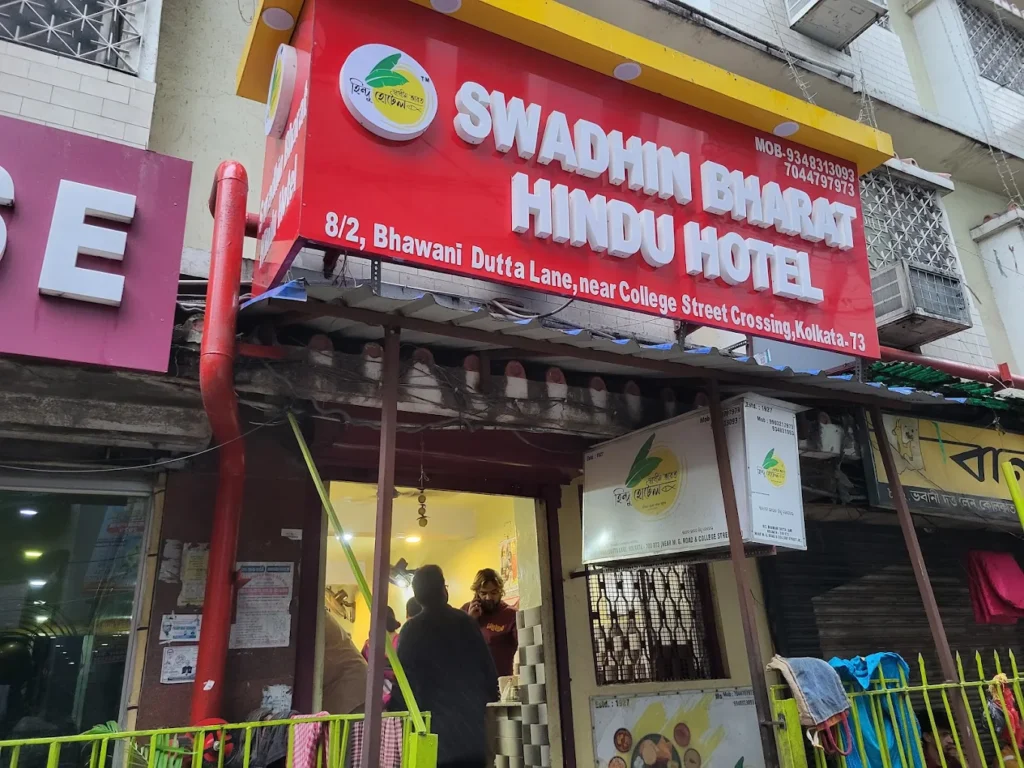
- Budget (₹150–₹300): A “pice hotel”, Kolkata’s legendary no frills Bengali eateries. Swadhin Bharat Hindu Hotel near College Street or Jagannath Ashram serve rice, dal, fish curry, and vegetables on a banana leaf, the way office goers have eaten for a century.
- Mid range (₹400–₹800): Kolkata biryani, subtle, saffron scented, and famously served with a potato and boiled egg. Arsalan, Aminia, or Shiraz Golden Restaurant are the institutions. Order mutton biryani and chaap.
- Premium (₹1,200–₹2,500): 6 Ballygunge Place or Oh! Calcutta for a refined Bengali spread, bhetki paturi (fish steamed in banana leaf), kosha mangsho (slow cooked mutton), daab chingri (prawns in tender coconut), finished with nolen gurer ice cream in winter.
Must try dishes regardless of budget: macher jhol (fish curry), kosha mangsho, luchi alur dom, and anything with mustard.
Afternoon (2 PM–5 PM): Markets, Museums, and Park Street
After lunch, central Kolkata is your playground, everything here is within a 2 km radius.
- New Market (Hogg Market): A 150 year old Victorian shopping labyrinth. Nahoum’s, the century old Jewish bakery inside, sells fruit cake and brownies people queue an hour for at Christmas. Bargain hard everywhere else, start at half the quoted price.
- Indian Museum: India’s oldest and largest museum (founded 1814), Egyptian mummy, Gandhara sculptures, a whale skeleton, and gloriously old school display cases. Entry roughly ₹50 for Indians, ₹500 for foreigners. Closed Mondays.
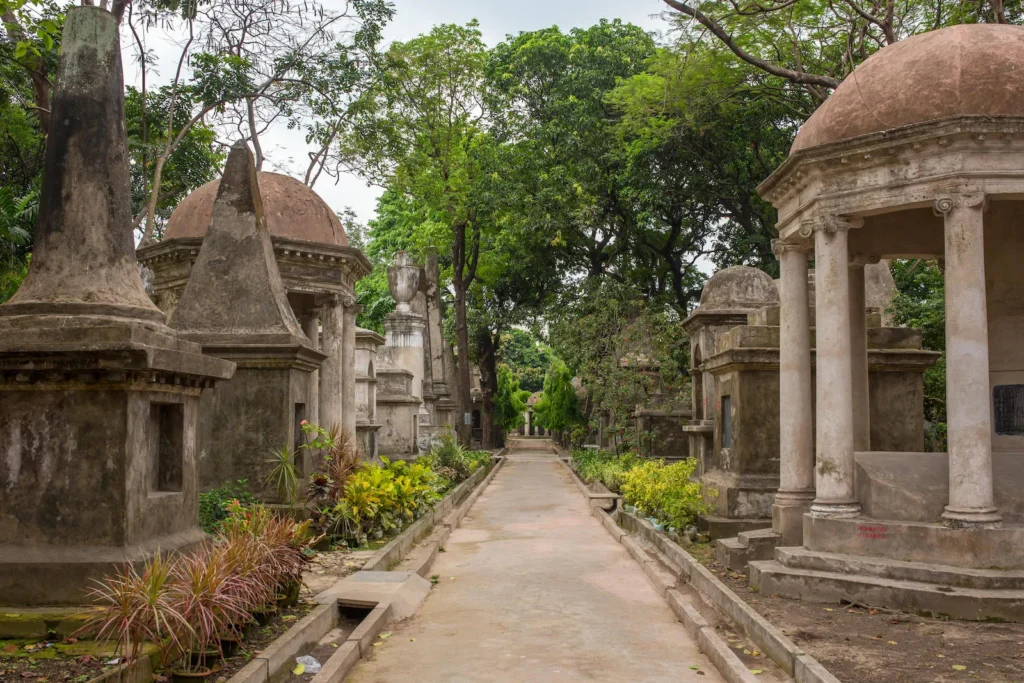
- Park Street stroll: Walk the boulevard that was once called “the street that never sleeps.” Colonial facades, Flurys tearoom (est. 1927, go for the rum ball and English breakfast), Oxford Bookstore, and the beautifully melancholic South Park Street Cemetery at the far end, mossy 18th century obelisks under giant trees, one of the most atmospheric places in the city.
- Street experience: Grab a ₹10 bhar (clay cup) of chai from any corner stall. Drink it, then smash the cup, that’s the tradition, and the clay goes back to the earth.
If you’d rather sit than shop, the Maidan. Kolkata’s enormous central green, is perfect for watching impromptu cricket matches, grazing goats, and the tram rattling past Victoria Memorial in the background.
Evening (5 PM–8 PM): The Golden Hour Belongs to the Ghats
Head back to the river, yes, again. Sunset is a different show entirely.
- Prinsep Ghat at dusk: The monument lights come on, couples line the promenade, and boat rides (₹150–₹200) put you on the water as the sky turns orange behind Vidyasagar Setu. Arguably the most romantic spot in the city.
- Millennium Park / Fairlie Ghat ferry: Take a ₹10 ferry crossing at golden hour for Howrah Bridge silhouetted against the sunset, the best cheap thrill in Kolkata.
- Alternative: If it’s autumn (Sept–Oct), evening is when Durga Puja pandals open up, one day in Kolkata during Puja is a completely different, spectacular itinerary of its own.
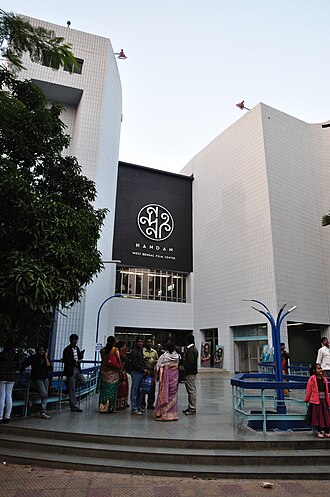
- Local entertainment: Check what’s on at Nandan (the city’s art film hub) or catch live music at a Park Street institution later in the night.
Night (8 PM Onwards): Rolls, Phuchka, and the Long Goodbye
Kolkata’s street food peaks after dark, and Park Street is where you end the day.
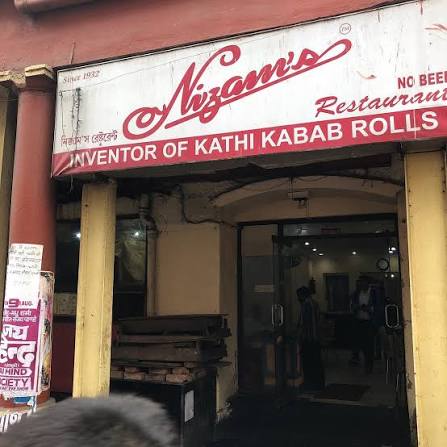
- Kathi rolls: The city’s greatest edible invention. Nizam’s (the claimed originator, in New Market) or Kusum Rolls on Park Street. Order a double egg double chicken roll, extra onions, squeeze of lime. ₹80–₹180.
- Phuchka: Kolkata’s sharper, tangier, spicier answer to golgappa/pani puri, the tamarind water here takes no prisoners. ₹30–₹50 a plate from any evening cart.
- Nightlife: Park Street bars and clubs run till midnight–1 AM: Trincas (live music since the ’60s), Someplace Else at The Park (rock covers, packed weekends), Roxy, or a quiet cocktail at a rooftop lounge.
- Safe walking areas at night: Park Street, Camac Street, and Southern Avenue stay lively and well lit late. Avoid deserted riverfront stretches and empty lanes after 11 PM, as you would anywhere.
- Late night cafes: Options thin after midnight, but Park Street area has 24/7 coffee chains and late kitchens; app delivery runs very late if you’re back at your hotel.
Top Attractions in Kolkata (Ranked for a One Day Visit)
- Victoria Memorial. The marble icon. Museum + gardens, 90 minutes well spent.
- Howrah Bridge & Mallick Ghat Flower Market. Engineering marvel above, sensory overload below.
- Prinsep Ghat. Riverfront promenade, boat rides, sunrise and sunset central.
- College Street & Indian Coffee House. Books by the kilometre and a coffee house full of ghosts of great arguments.
- Indian Museum. The subcontinent’s oldest museum, wonderfully old world.
- New Market. Victorian era shopping chaos, Nahoum’s bakery included.
- St. Paul’s Cathedral. Gothic calm beside the Maidan.
- South Park Street Cemetery. Hauntingly beautiful colonial era necropolis.
- Kalighat Temple. One of the 51 Shakti Peethas; intense, crowded, deeply sacred (add if you start very early).
- Belur Math & Dakshineswar. Serene riverside temple complexes, but they eat half a day, save for trip #2.
Hidden Gems Most Tourists Miss
- Kumartuli: The potters’ quarter in North Kolkata where artisans sculpt the clay idols for Durga Puja all year. Lanes full of half finished goddesses, a photographer’s dream, especially August–September.
- Bow Barracks: Red brick Anglo Indian housing blocks near Central Avenue, magical around Christmas with lights and homemade wine.
- Kolkata’s Chinatown (Tiretta Bazaar): Go at 6 AM for the disappearing Chinese breakfast market, steamed baos, fish ball soup, sausages, one of the last of its kind in India.
- Marble Palace: An eccentric 1835 mansion in North Kolkata stuffed with chandeliers, Belgian mirrors, and (reportedly) a Rubens. Free entry with prior permission; ask your hotel to arrange.
- Heritage tram ride: The Esplanade to Shyambazar heritage stretch still runs limited services, the last operating tram system in India. Slow, rattly, perfect.
- Armenian Church of the Holy Nazareth (1724): Older than most of the city around it, hidden in the Burrabazar chaos.
Kolkata Local Food Guide: What to Eat in One Day
Must Try Dishes
- Kathi roll, flaky paratha wrapped around skewer grilled meat or paneer
- Kolkata biryani, light, fragrant, with the famous aloo (potato)
- Macher jhol, homestyle fish curry, the soul of Bengali cooking
- Kosha mangsho, dark, slow cooked spicy mutton, best with luchi
- Phuchka, do not call it pani puri here
- Mughlai paratha, egg and mince stuffed fried paratha, gloriously heavy
Street Food Legends
- Dacres Lane (Office Para), chicken stew and toast, fish fry
- Vivekananda Park, Dilip Da’s phuchka, south Kolkata’s evening ritual
- Territi Bazaar, dawn Chinese breakfast
- Park Street / New Market carts, rolls, chowmein, momos till late
Vegetarian Options
Bengali vegetarian food is criminally underrated: shukto (bitter sweet vegetable medley), cholar dal with coconut, alur dom, dhokar dalna (lentil cakes in gravy), radhaballavi breakfasts, and paneer rolls everywhere. Pice hotels and sweet shops are veg friendly by default.
Desserts (Non Negotiable)
- Rosogolla, born here, fight anyone who says otherwise. Try it at K.C. Das or Balaram Mullick.
- Mishti doi, caramelised sweet yogurt set in clay pots
- Sandesh, delicate milk sweet; in winter, ask for anything with nolen gur (date palm jaggery)
- Nahoum’s brownies & fruit cake. New Market institution since 1902
Drinks
- Bhar chai, chai in disposable clay cups, ₹10 of pure atmosphere
- Daab, fresh green coconut water, everywhere in summer
- Aam pora shorbot, smoky roasted mango cooler (summer only)
- Cold coffee at Flurys or infusion at Indian Coffee House
Budget Breakdown: What One Day in Kolkata Actually Costs (2026)
| Expense | Budget Traveler | Mid Range | Comfortable |
|---|---|---|---|
| Transport (metro/bus/ferry vs app cabs) | ₹100–₹150 | ₹400–₹600 | ₹1,000–₹1,500 |
| Breakfast | ₹60–₹100 | ₹150–₹300 | ₹500+ |
| Lunch | ₹150–₹250 | ₹400–₹700 | ₹1,500–₹2,500 |
| Dinner + street food | ₹150–₹250 | ₹400–₹800 | ₹1,500+ |
| Entry tickets (Victoria + Museum) | ₹80–₹100 (Indian) | ₹100–₹150 | ₹1,000+ (foreign national rates) |
| Boat ride / experiences | ₹100–₹150 | ₹200–₹400 | ₹500+ |
| Shopping / misc | ₹100–₹200 | ₹500–₹1,000 | ₹2,000+ |
| Daily Total | ₹800–₹1,200 | ₹2,500–₹4,000 | ₹7,000+ |
Kolkata remains one of the cheapest major cities in India to eat and move around in, your money goes noticeably further here than in Mumbai or Delhi.
Transportation Guide: Getting Around Kolkata in a Day
- Metro: Fast, cheap (₹5–₹25), air conditioned. The Blue Line (north south) covers Esplanade, Park Street, Kalighat and Dumdum; the Green Line now crosses under the Hooghly to Howrah, India’s first under river metro and worth riding for the novelty alone. Use the smart card or QR ticketing to skip queues.
- Yellow taxis: The iconic Ambassador cabs are dwindling but still around. Insist on the meter or agree a fare first.
- App cabs: Uber, Ola, and Rapido work well citywide. Short hops usually ₹100–₹250. Rapido bike taxis are the traffic beater at rush hour.
- Buses: Extensive and dirt cheap (₹10–₹25) but confusing for first timers. Conductors shout destinations, ask, they’ll help.
- Autos: Run fixed shared routes rather than point to point like other cities. Great for short fixed corridors; ask a local which route you need.
- Ferries: The most underrated transport in the city, ₹6–₹15 across the Hooghly with the best bridge views for free.
- Walking: Central Kolkata rewards walking more than any other Indian metro. Footpaths exist (mostly). Cross roads with the crowd, not alone.
Best Photography Spots in Kolkata
- Sunrise: Prinsep Ghat promenade; Mallick Ghat flower market as the light cuts through the bridge girders
- Sunset: Mid river on a Hooghly ferry; Millennium Park boardwalk; boat ride off Prinsep Ghat
- Architecture: Victoria Memorial reflected in its pools; St. Paul’s Cathedral spire; Marble Palace courtyards; Howrah Bridge from Fairlie Ghat
- Street: Kumartuli’s idol makers lanes; College Street bookstalls; hand pulled rickshaws in Burrabazar; tram windows on the heritage line
- Instagram worthy: Yellow taxi against red brick North Kolkata mansions; bhar chai close ups; South Park Street Cemetery’s mossy obelisks; Bow Barracks red facades
Safety Tips for Kolkata
- Overall: Kolkata consistently ranks among India’s safest big cities, and it feels it, street life continues late and people are famously helpful to visitors.
- Scams to watch: Inflated taxi fares from Howrah station (use the prepaid booth or app cabs), “guides” at temples demanding donations, and touts around New Market. A firm, polite no works.
- Transport safety: Metro is safe throughout operating hours, including the ladies’ compartments. At night, prefer app cabs over street taxis and share your ride status.
- Crowds: Howrah station, New Market, and Kalighat get intensely crowded, keep phones and wallets in front pockets or zipped bags.
- Weather: Summer heat is genuinely dangerous, hydrate constantly April–June. Monsoon flooding can stall traffic for hours; build buffer time.
- Emergency contacts: Police 100 / national emergency 112, ambulance 108, Kolkata Police helpline 1090 (women’s helpline).
10 Practical Travel Tips from a Local
- Start at 6 AM. Kolkata’s magic hours are dawn and dusk; the midday heat and traffic are the tax you pay between them.
- Carry cash in small notes. Street food, ferries, trams, and pice hotels are cash first. UPI works almost everywhere else.
- Learn two words: “dada” (brother) and “didi” (sister). Use them with everyone, doors open.
- Eat where the queue is. Kolkata crowds have zero patience for mediocre food.
- Take the metro under the river at least once, Esplanade to Howrah Maidan in six minutes beats 45 in traffic.
- Sundays are quieter, great for College Street photos, but some shops and pice hotels close.
- Dress modestly for Kalighat and religious sites; shoes come off, bags may need to be deposited.
- Bargain at New Market, never at sweet shops or book stalls (prices are honest there).
- If visiting during Durga Puja (usually October), throw this itinerary away and just pandal hop, it’s the greatest street art festival on earth.
- Budget an extra 30 minutes for everything. Kolkata runs on its own clock, and fighting it ruins the fun.
Common Mistakes Tourists Make in Kolkata
- Trying to see North and South Kolkata plus the temples in one day. You’ll spend the day in traffic. Pick one river session, one heritage block, one food crawl.
- Sleeping in. Miss the 6–9 AM window and you miss the flower market, the light, and the cool air.
- Calling phuchka “pani puri” or claiming rosogolla is from elsewhere. You’ll be corrected. At length.
- Taking street taxis without the meter. Agree the fare first or use an app.
- Skipping the ferry. It’s the cheapest, most scenic thing in the city.
- Eating “safe” hotel food all day. Kolkata’s street and pice hotel food is the entire point; busy stalls are reliably fine.
- Underestimating monsoon rain. July–September downpours are biblical; carry a compact umbrella.
- Only visiting Victoria Memorial’s exterior. The galleries inside are half the value of the ticket.
FAQ: One Day in Kolkata
Is one day enough in Kolkata?
One day is enough to experience Kolkata’s highlights, the river, Victoria Memorial, the food, and the street life, but not its depth. Treat 24 hours in Kolkata as a brilliant trailer; most visitors leave planning a longer return trip.
Is Kolkata expensive to visit?
No, Kolkata is one of the most affordable major cities in India. A full day of sightseeing, transport, and excellent food costs ₹800–₹1,200 on a budget and ₹2,500–₹4,000 with mid range comforts.
What is the best time to visit Kolkata?
October to February. Winter offers pleasant 15–25°C days. Durga Puja (around October) is spectacular but extremely crowded, with surge priced hotels.
Is Kolkata safe for solo travelers?
Yes. Kolkata regularly ranks among India’s safest metros, and solo travelers, including women, generally report feeling comfortable. Standard precautions apply: app cabs at night, valuables secured in crowds.
What food must I try in Kolkata in one day?
Kathi rolls, Kolkata biryani, phuchka, macher jhol or kosha mangsho, and desserts: rosogolla, mishti doi, and sandesh. In winter, anything with nolen gur.
Is public transport in Kolkata good?
Very good for a visitor: the metro is cheap, fast, and now crosses under the Hooghly to Howrah. Ferries, trams, and app cabs cover everything else.
What is the best area to stay for one day in Kolkata?
Park Street / Esplanade. You’ll be walking distance from restaurants, nightlife, New Market, and the metro, and 10 minutes from the riverfront.
What should I avoid in Kolkata?
Midday sightseeing in summer, unmetered taxis, overpacking the itinerary, and deserted areas late at night. Also avoid Monday for the Indian Museum (closed).
Can I see Howrah Bridge and Victoria Memorial in one day?
Easily, they’re about 20–30 minutes apart. Do the bridge and flower market at dawn, Victoria Memorial mid morning.
Do people speak English in Kolkata?
Widely, especially in central areas, shops, and among younger people. Bengali and Hindi dominate street conversation, but you’ll never be stuck.
Is the Kolkata tram still running?
Limited heritage services run on select routes around Esplanade. Services have been repeatedly scaled back, so treat a tram ride as a bonus, not a plan, check locally on the day.
How do I get from the airport to the city center?
App cabs take 45–75 minutes to Park Street (₹350–₹600 depending on traffic and time). The airport is also connected to the metro network via the Dum Dum/New Garia corridors, cheap and traffic proof.
Is Kolkata good for vegetarians?
Yes, despite its fish loving reputation, Bengali vegetarian cuisine (shukto, cholar dal, dhokar dalna, radhaballavi) is superb, and sweet shops are almost entirely vegetarian.
What’s a good backup plan if it rains?
Indian Museum, Victoria Memorial galleries, Oxford Bookstore and Flurys on Park Street, and a long biryani lunch. Kolkata does rainy day indoor time exceptionally well.
Final Word
One day in Kolkata won’t make you an expert on the city, nothing short of a lifetime does that, but follow this itinerary and you’ll leave with the things that matter: the smell of marigolds under Howrah Bridge, marble glowing at noon, a kathi roll eaten too fast, and a sunset on the Hooghly that quietly rearranges your travel priorities. Kolkata doesn’t perform for tourists. It just lives, loudly and warmly, and lets you join in. Twenty four hours is enough to know you want more.