Can you really do one day in Goa justice? Locals will laugh and tell you Goa is a mood, not a checklist, and they’re right. But if 24 hours in Goa is all you have, a cruise stopover, a wedding weekend squeeze, a work trip with one free day, you can still get the essentials: a sunrise beach walk, Portuguese era churches glowing white against palm trees, a proper fish thali eaten with your hands, an afternoon in the colour soaked lanes of Fontainhas, and a sunset that explains why nobody ever leaves this place on schedule.
This one day itinerary for Goa is built around North Goa and Old Goa, the highest density of sights, food, and beach life you can cover in a single day. It works for solo travelers, couples, and families, and it assumes you have a scooter or a cab for the day, because distances in Goa are deceptive. Here’s exactly what to do in Goa in one day in 2026, what it costs, and the mistakes that waste half your day.
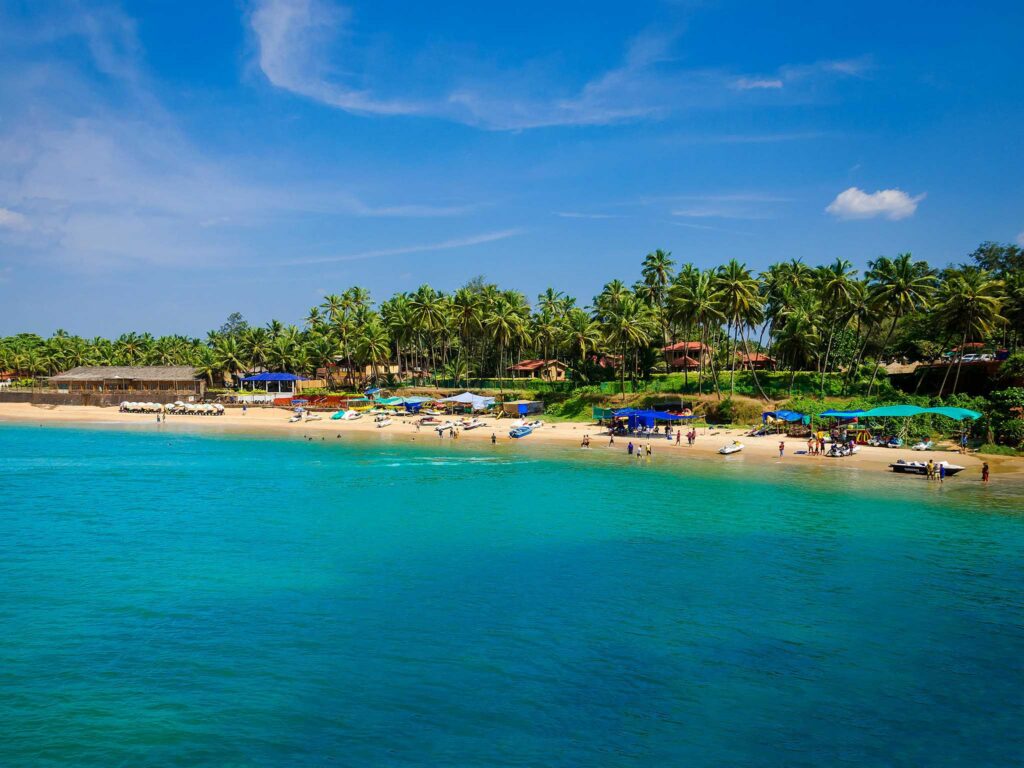
Quick Overview: 24 Hours in Goa at a Glance
- Best time to visit: November to February. Dry, sunny, 24–32°C, and everything is open. March to May gets hot and humid. Monsoon (June to September) is lush and gorgeous but beach shacks close and the sea is off limits.
- Budget for one day: ₹1,200–₹1,800 shoestring, ₹3,000–₹5,000 mid range, ₹8,000+ if you’re doing beach clubs and seafood platters.
- Transportation: Rented scooter (₹400–₹600 a day) is the Goa default. Also self drive cars, app cabs (Goa Miles, Uber in select zones), tourist taxis, and local buses.
- Walkability: Individual areas (Fontainhas, beach stretches, Old Goa) are walkable. Between areas you need wheels.
- Google Maps: Very reliable for routes and shack locations. Some village shortcuts it suggests are barely roads, trust it anyway, that’s half the fun.
- Good for: Couples (obviously), solo travelers (extremely easy and social), families (calmer beaches like Miramar and Colva suit kids better than party stretches).
One Day in Goa: The Hour by Hour Itinerary
| Time | What You’re Doing | Area |
|---|---|---|
| 6:00–8:00 AM | Sunrise walk on Morjim or Ashwem beach, chai at a shack | North Goa coast |
| 8:00–9:30 AM | Goan breakfast: poi bread, ros omelette, mirchi bhaji | Local cafe or market stall |
| 9:30 AM–12:30 PM | Old Goa churches: Basilica of Bom Jesus, Se Cathedral | Old Goa |
| 12:30–1:00 PM | Drive to Panjim along the Mandovi river | Panjim |
| 1:00–2:30 PM | Fish thali lunch | Panjim |
| 2:30–4:30 PM | Fontainhas Latin Quarter walk, cafes, souvenir shopping | Panjim |
| 4:30–7:00 PM | Beach time and sunset: Vagator cliffs or Chapora Fort | Vagator / Anjuna |
| 7:00–9:00 PM | Seafood dinner at a beach shack | Anjuna / Baga belt |
| 9:00 PM onwards | Beach club, live music, or a quiet walk on the sand | North Goa |
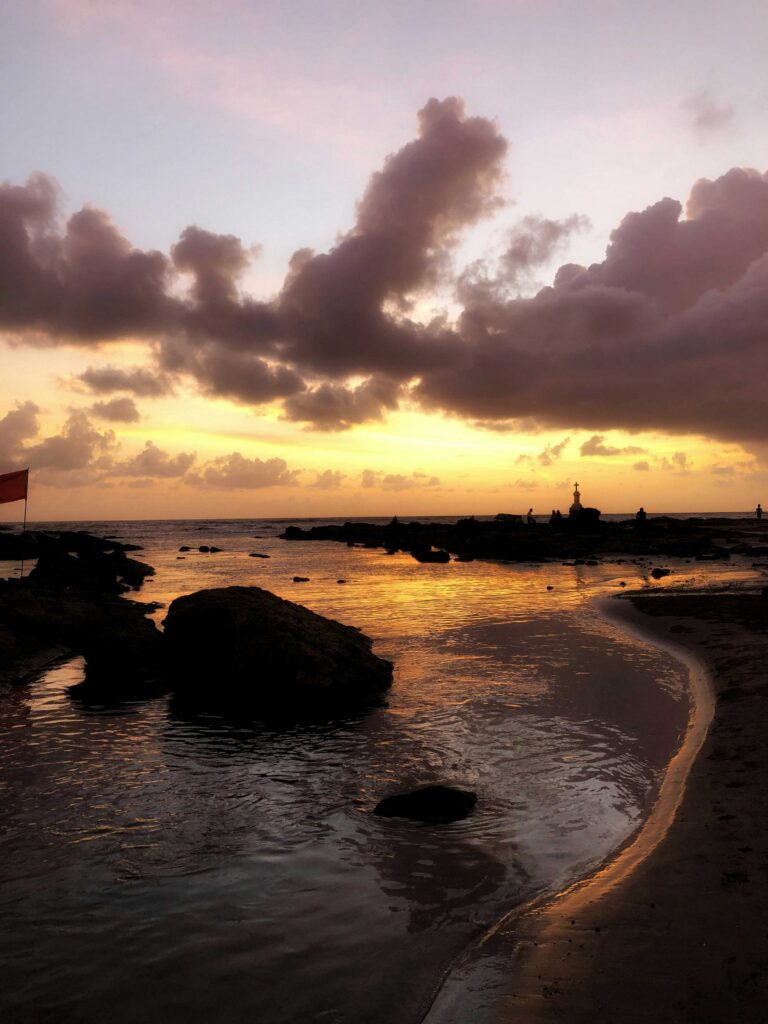
Morning (6 AM–10 AM): The Sea Before the Crowds
Goa’s beaches belong to fishermen, dogs, and early risers before 8 AM, and that’s the version worth seeing. Start on Morjim or Ashwem in the quieter north: flat sand, fishing boats coming in, and in season you might spot Olive Ridley turtle nesting zones roped off on Morjim. Walk, swim if the flags allow, and get chai from whichever shack has its kettle on.
Breakfast the Goan way: find a local joint or market stall for ros omelette, an omelette drowned in spicy xacuti style gravy, scooped up with poi, Goa’s pillowy Portuguese legacy bread. Add mirchi bhaji if you’re brave and a strong filter coffee. Cost: ₹80–₹150. If you’d rather sit down, the cafes around Assagao and Anjuna do excellent versions with sea breeze included.
Hidden photography spot: the fishing jetty at Chapora village just after sunrise, boats, nets, and the fort on the hill behind, with almost nobody around.
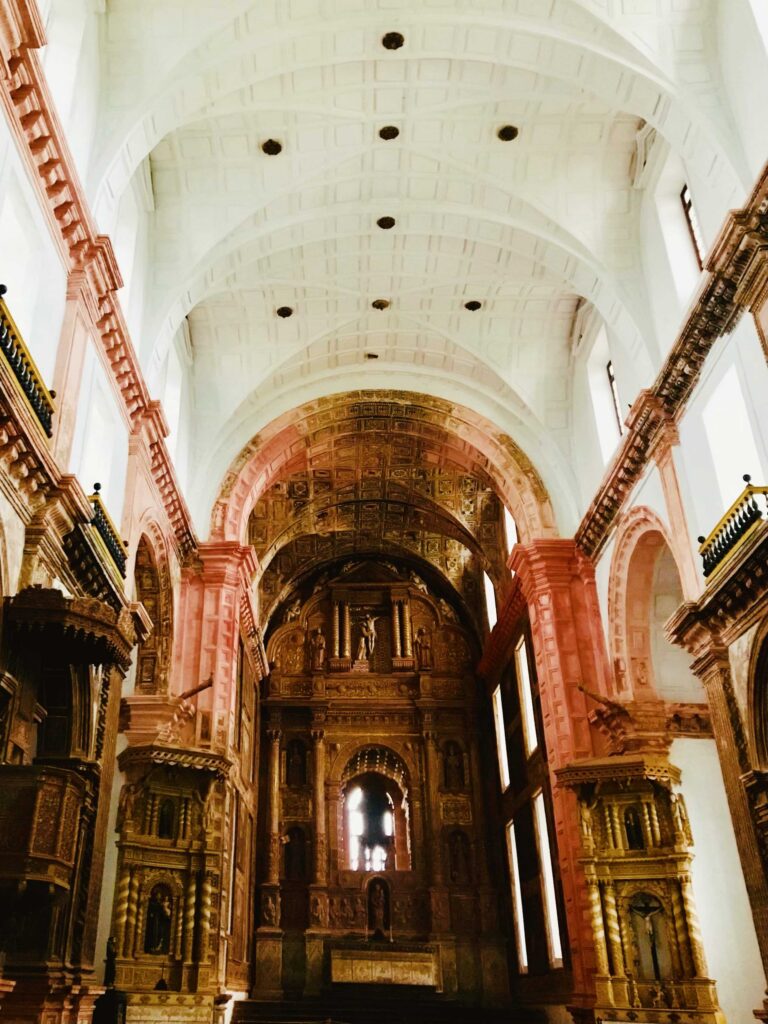
Late Morning (10 AM–1 PM): Old Goa, Where the Story Started
Drive 40 minutes inland to Old Goa, once a city bigger than Lisbon and London, now a UNESCO World Heritage cluster of monumental churches in a green clearing.
- Basilica of Bom Jesus: The unplastered red laterite basilica holding the relics of St. Francis Xavier. Entry is free, dress modestly, and give it 30–40 minutes.
- Se Cathedral: Across the road, one of the largest churches in Asia, whitewashed and vast, with the famous Golden Bell in its surviving tower.
- Church of St. Cajetan and the Chapel of St. Catherine: Quick, quieter stops if you have the appetite.
Between churches, coconut water sellers and the shade of giant rain trees keep you alive. History fans can add the small Archaeological Museum next to Se Cathedral.
Then drive the riverside road into Panjim, one of India’s most relaxed state capitals, with the Mandovi on one side and pastel Portuguese buildings on the other.
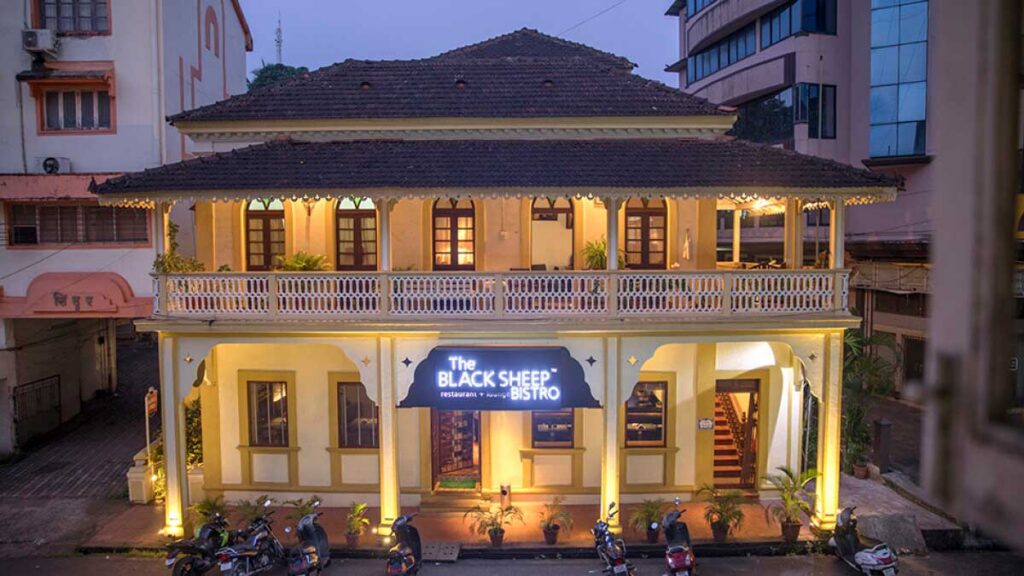
Lunch (1 PM–2:30 PM): The Fish Thali Is the Whole Point
- Budget (₹150–₹300): A local fish curry rice joint in Panjim. Anandashram or Cafe Ritz Classic style places serve the working Goan lunch: rice, fish curry, fried fish, kismur, sol kadhi.
- Mid range (₹400–₹900): Vinayak Family Restaurant in Assagao or Fisherman’s Wharf for bigger thalis, rawa fried prawns, and chonak (barramundi) rava fry.
- Premium (₹1,500–₹3,000): A long lazy lunch at a heritage house restaurant, think The Black Sheep Bistro in Panjim or a beachfront table at a top Anjuna or Ashwem restaurant, with prawn curry, pork vindaloo done properly, and bebinca for dessert.
Must try dishes: Goan fish curry, pork vindaloo (the real, vinegar sharp original), chicken cafreal, prawn balchao, and sol kadhi, the pink coconut and kokum drink that fixes everything.
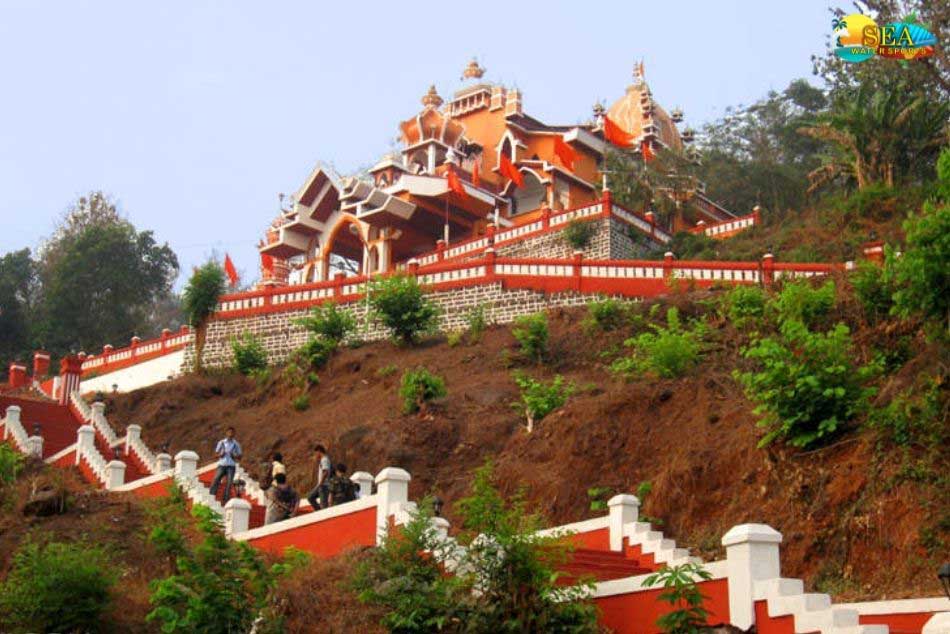
Afternoon (2:30 PM–4:30 PM): Fontainhas, the Prettiest Lanes in India
Walk off lunch in Fontainhas, Panjim’s Latin Quarter. Ochre, indigo, and mint green houses with oyster shell windows, azulejo tile name plates, tiny chapels, and cafes hiding in old mansions. This is the most photogenic square kilometre in Goa.
- Wander Rua 31 de Janeiro and the lanes around the Chapel of St. Sebastian
- Coffee and cake at a heritage cafe, or a gallery stop at Gitanjali Gallery
- Souvenir shopping: cashews (buy from a proper store, not the airport), feni miniatures, azulejo tiles, and Goan chorizo if you can carry it
- Climb up to Altinho hill for a view over Panjim’s rooftops and the Mandovi
If churches and lanes aren’t your thing, swap this block for the Saturday flea scene at Anjuna (Wednesdays for the classic flea market in season) or a spice plantation visit near Ponda.
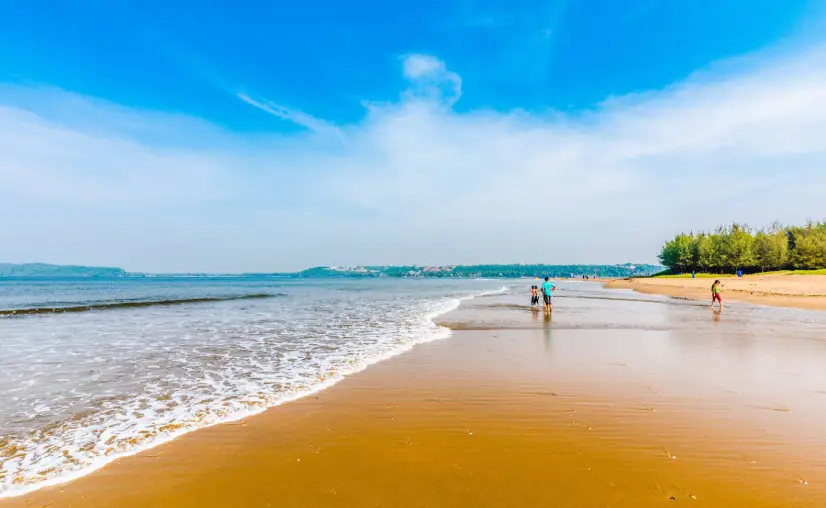
Evening (4:30 PM–7 PM): Cliffs, Fort Walls, and the Big Sunset
Drive back toward the coast for golden hour. Two great options:
- Chapora Fort: Yes, the Dil Chahta Hai fort. A short uphill walk rewards you with a 270 degree view over Vagator, the Chapora river mouth, and the Arabian Sea turning gold. Go 60–90 minutes before sunset to get a good spot.
- Vagator cliffs / Ozran beach: Watch the sun drop into the sea with the white Shiva face carved into the rock below and trance music floating up from the shacks.
Calmer alternative for families: Miramar beach in Panjim for an easy sunset stroll, or a Mandovi river cruise with live music departing from the Panjim jetty.
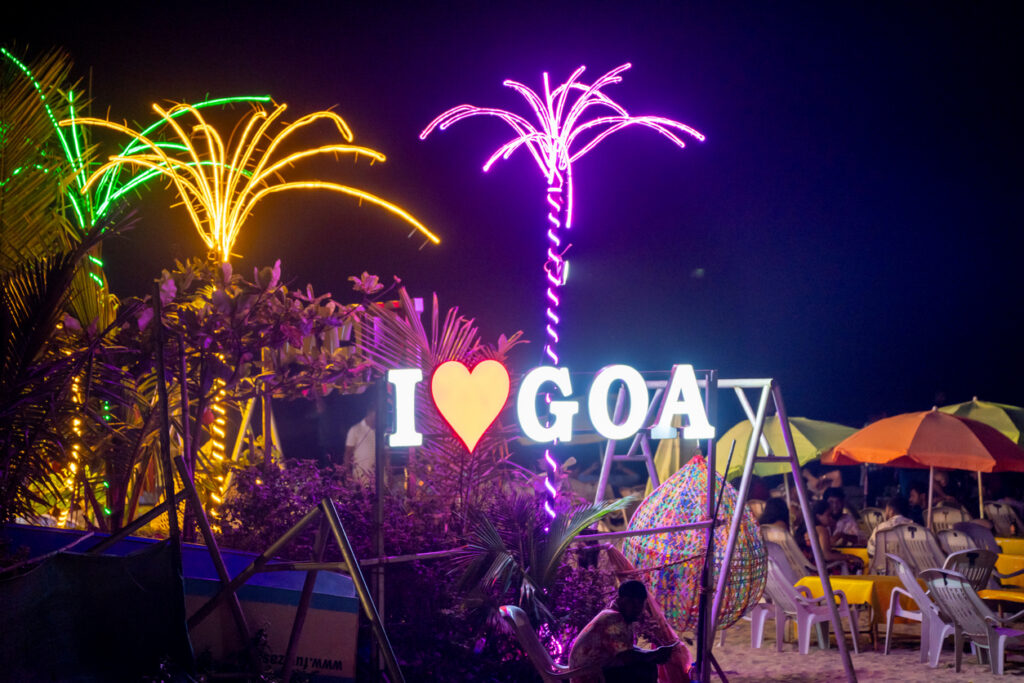
Night (7 PM Onwards): Shacks, Music, and Salt in the Air
- Dinner: A beach shack on the Anjuna to Baga stretch, candles in the sand, grilled kingfish, butter garlic prawns, crab xec xec if it’s on the board. ₹600–₹1,500 for two at a regular shack.
- Nightlife: Goa runs the full range: legendary clubs and beach clubs around Anjuna and Vagator, live bands in Baga and Calangute, casino boats on the Mandovi in Panjim, and quiet feni cocktails at craft bars in Assagao. Things peak between 10 PM and 1 AM.
- Safe walking areas: Main beach stretches, Baga Calangute road, and Panjim’s center stay busy late. Avoid empty beaches and unlit village roads alone after midnight, and never swim at night.
- Late night food: Shacks serve late in season, and the roll and burger carts near party zones run past 2 AM.
Top Attractions in Goa (Ranked for a One Day Visit)
- Basilica of Bom Jesus and Old Goa churches. UNESCO listed and genuinely moving, even for the non religious.
- Fontainhas Latin Quarter. Portuguese era lanes in candy colours, best explored on foot.
- Chapora Fort at sunset. The definitive Goa view.
- Vagator and Ozran beaches. Cliffs, coves, and the famous Shiva rock carving.
- Anjuna beach and flea market. The old hippie heart of Goa, still beating.
- Morjim and Ashwem. Quieter sands, turtle nesting zones, boutique shack scene.
- Mandovi river cruise. Cheesy, cheerful, and a lovely way to see Panjim from the water.
- Miramar and Dona Paula. Easy city beaches and viewpoints near Panjim.
- Aguada Fort. Big laterite ramparts and lighthouse views over the river mouth.
- Spice plantations near Ponda. Worth it only if you skip a beach block
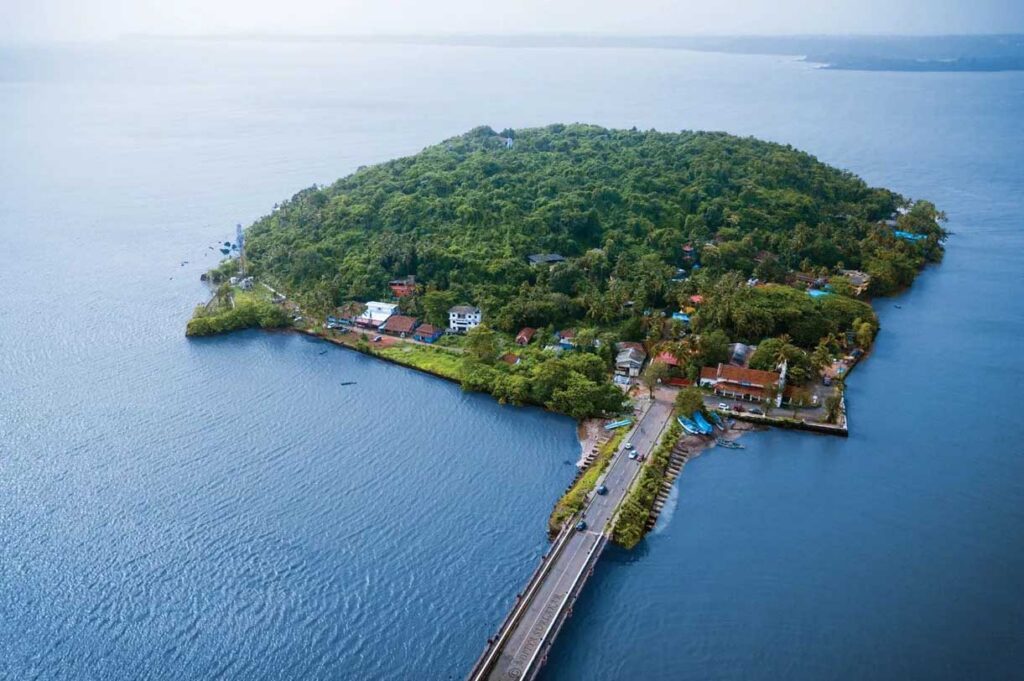
Hidden Gems Most Tourists Miss
- Divar Island: A five minute free ferry from Old Goa to an island where time stopped, sleepy villages, old churches, paddy fields, zero crowds.
- Chorao Island and Salim Ali Bird Sanctuary: Mangrove boardwalks and kingfishers, minutes from Panjim.
- Parra coconut tree road: The palm lined straight road from a hundred Instagram reels, five minutes of pure Goa, best at 7 AM before the photo crowds.
- Cabo de Rama fort (south): Wild cliffs and a tiny chapel, if you’re based south and swap this itinerary’s geography.
- Feni tasting: Ask for aged cashew feni at a proper bar in Assagao or Panjim, Goa’s own spirit finally getting the respect it deserves.
- Saturday Night Market at Arpora (in season): More fun and better food than the day markets.
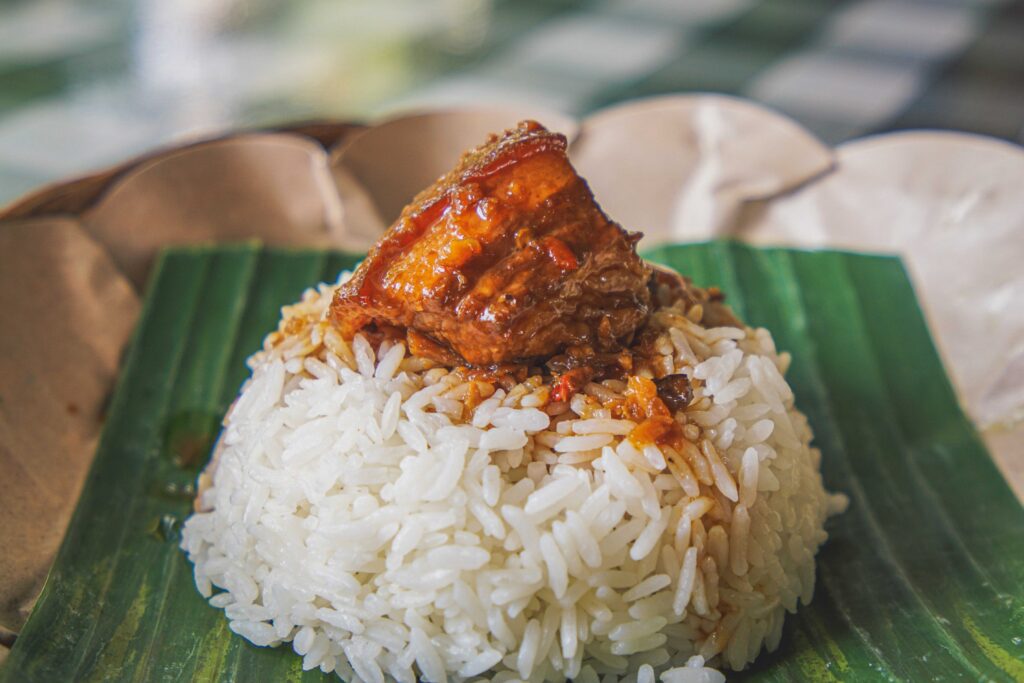
Goa Local Food Guide: What to Eat in One Day
Must Try Dishes
- Goan fish curry rice, the daily religion of the state
- Pork vindaloo, sharp, garlicky, nothing like the British curry house version
- Chicken cafreal, green masala grilled chicken
- Prawn balchao, fiery pickled prawn relish
- Ros omelette, the street breakfast of champions
- Chorizo pao, Goan sausage in a bun
Street Food
- Ros omelette carts in Mapusa and Panjim evenings
- Cutlet pao and mirchi bhaji at market stalls
- Grilled corn and shawarma carts along the Baga strip at night
Vegetarian Options
Easier than Goa’s pork and fish reputation suggests: mushroom xacuti, veg cafreal, dal and rice at any local joint, khatkhatem (mixed vegetable stew), and superb South Indian breakfasts in Panjim. Assagao’s cafe scene is full of vegetarian and vegan menus.
Desserts
- Bebinca, the layered coconut and jaggery pudding, Goa’s signature sweet
- Serradura, Portuguese sawdust pudding at heritage cafes
- Dodol and coconut ladoos from local bakeries
Drinks
- Sol kadhi, kokum and coconut milk, drink it with every thali
- Feni, cashew or coconut, neat if you’re serious, in cocktails if you’re easing in
- Kings beer, the little Goan pint
- Fresh coconut water on every second corner
Budget Breakdown: What One Day in Goa Actually Costs (2026)
| Expense | Budget | Mid Range | Comfortable |
|---|---|---|---|
| Scooter rent + fuel vs cab for the day | ₹500–₹700 | ₹800–₹1,200 | ₹2,500–₹3,500 (car + driver) |
| Breakfast | ₹80–₹150 | ₹250–₹450 | ₹600+ |
| Lunch | ₹150–₹300 | ₹500–₹900 | ₹1,500–₹3,000 |
| Dinner | ₹300–₹500 | ₹800–₹1,500 | ₹2,500+ |
| Entry fees / cruise / activities | ₹0–₹100 | ₹300–₹600 | ₹1,500+ |
| Drinks / shopping / misc | ₹200–₹300 | ₹600–₹1,200 | ₹2,000+ |
| Daily Total | ₹1,200–₹1,800 | ₹3,000–₹5,000 | ₹8,000+ |
Transportation Guide: Getting Around Goa in a Day
- Scooter rental: The classic. ₹400–₹600 per day plus fuel, licence and helmet mandatory, police checks are real. Rent from a shop with proper paperwork.
- Self drive cars: ₹1,200–₹2,500 per day for a hatchback. Parking in Panjim and near beaches can test your patience in peak season.
- App cabs: Goa Miles (the state backed app) works across Goa, Uber operates in growing zones. Availability thins in remote villages.
- Tourist taxis: Everywhere, unionised, and pricier than apps. Agree the fare clearly before getting in.
- Buses: Cheap (₹10–₹40) and surprisingly useful on main corridors like Mapusa–Panjim–Margao, slow elsewhere.
- Ferries: Free or nearly free river crossings (Divar, Chorao), one of Goa’s best kept transport secrets.
- Walking: Perfect within Fontainhas, Old Goa, and along beaches. Village roads lack footpaths, walk facing traffic.
Best Photography Spots in Goa
- Sunrise: Morjim beach with fishing boats; Divar Island ferry crossing; Parra coconut road before 7:30 AM
- Sunset: Chapora Fort ramparts; Ozran cliff shacks; Ashwem waterline reflections
- Architecture: Basilica of Bom Jesus facade; Se Cathedral interiors; Fontainhas doorways and azulejo tiles
- Street: Mapusa Friday market; Anjuna flea market colour; Panjim’s Church of Our Lady of Immaculate Conception zigzag stairs
- Instagram worthy: Yellow Fontainhas walls; feni cocktails against sunset; the Shiva rock carving at Ozran; scooter mirrors framing palm roads
Safety Tips for Goa
- The sea is the biggest risk: Respect red flags, rip currents kill tourists every year. Swim only at lifeguarded stretches (Drishti lifeguards patrol major beaches) and never after drinking or after dark.
- Scooter safety: Helmets on, both riders. Roads are narrow, tourists on scooters are the most common accident story in Goa.
- Scams: Overpriced taxi quotes, “special price” cashew and spice shops on tour routes, and touts selling boat trips. Compare and confirm prices upfront.
- Valuables: Don’t leave phones and bags unattended on the beach while swimming. Use shack staff you’ve ordered from to keep an eye, or carry a dry pouch.
- Substances: Drug offers around party zones are a police trap risk as much as anything else. Just don’t.
- Emergency contacts: 112 national emergency, 108 ambulance, 100 police, Drishti lifeguard help posts on major beaches.
10 Practical Travel Tips from a Local Perspective
- Distances lie. 20 km in Goa is 45 minutes of winding village roads, plan blocks, not dashes.
- Rent your scooter the evening before so your one day starts moving at 6 AM sharp.
- Carry your driving licence, checks near Anjuna and Baga are routine.
- Fish thalis sell out. Local lunch joints run 12:30 to 2:30 and then stop, don’t drift in at 3 PM.
- Dress code applies in churches: shoulders and knees covered, caps off.
- Cash for shacks and markets, UPI works almost everywhere else.
- Sunscreen before 10 AM, the sea breeze hides how badly you’re burning.
- In season, book sunset tables at popular cliff restaurants by afternoon.
- Monsoon visitors: swap beaches for waterfalls, spice farms, and rain lashed forts, it’s a different, beautiful Goa.
- Leave buffer for the airport or station, taxi supply gets tight at peak checkout hours.
Common Mistakes Tourists Make in Goa
- Trying to do North and South Goa in one day. They’re 1.5–2 hours apart. Pick one. This itinerary picks North plus Old Goa for maximum variety.
- Spending the whole day on Baga and Calangute. The most crowded kilometre of Goa is not the best kilometre of Goa.
- Skipping Old Goa and Fontainhas. The beaches are lovely, but the heritage is what makes Goa unlike anywhere else in India.
- Swimming at unguarded beaches or after sunset. Rip currents don’t care how good a swimmer you are.
- Riding without a helmet or licence. Fines, and far worse, are common.
- Buying cashews at the first shop a driver takes you to. Commission economics. Buy in Panjim or Mapusa market.
- Eating only continental shack food. Order the Goan menu page, that’s where the magic is.
FAQ: One Day in Goa
Is one day enough in Goa?
One day covers the essentials of North Goa: a great beach morning, Old Goa’s churches, Fontainhas, and a proper sunset. It’s enough to fall for Goa, not enough to relax into it. Two to four days is ideal.
Is Goa expensive?
It’s flexible. A scooter, local thalis, and free beaches keep a day at ₹1,200–₹1,800. Beach clubs, seafood platters, and cabs push it past ₹8,000 easily. December peak season prices everything up.
North Goa or South Goa for one day?
North, combined with Old Goa and Panjim, gives the most variety in a single day. South Goa is about long quiet beaches, which need time you don’t have.
Is Goa safe for solo travelers?
Yes, among the easiest places in India to travel solo. Normal precautions: guarded beaches for swimming, no deserted areas late at night, watch your drinks in party zones.
What food should I try in Goa in one day?
Fish curry rice, ros omelette, pork vindaloo or chicken cafreal, prawn balchao, sol kadhi, and bebinca for dessert.
Is public transport good in Goa?
Buses are cheap and fine on main routes but slow for sightseeing. For one day, a scooter, self drive car, or hired cab is the practical answer.
What is the best area to stay for one day?
Anjuna, Vagator, or Assagao puts you between beaches, nightlife, and the road to Old Goa. Panjim works beautifully if you prefer heritage over beach access.
Do I need a licence to rent a scooter?
Yes, a valid two wheeler licence, and helmets for both riders. Police checks near tourist belts are frequent.
Can I swim anywhere?
No. Swim only at lifeguarded beaches and obey flag warnings. Monsoon season swimming is banned for good reason.
Is Goa good for families?
Yes, base the day around Miramar, Old Goa, the river cruise, and calmer beaches like Ashwem. Skip the party belt at night.
What should I avoid in Goa?
Unguarded swimming, helmet free riding, driver recommended shops, drug offers, and trying to cover both halves of the state in a day.
Are beach shacks open all year?
No, most operate roughly October to May and dismantle for the monsoon. Off season, eat at permanent restaurants in Panjim, Assagao, and Mapusa.
Final Word
One day in Goa is a highlights reel with sand in it. Do the sunrise beach, stand under the basilica’s stone silence, eat fish curry with your fingers, get lost in Fontainhas for an hour, and let Chapora Fort hand you the sunset. You’ll leave with salt in your hair and a very specific plan to come back for a week. That’s not a failed day trip. That’s Goa working exactly as intended.