Spending one day in Mumbai sounds impossible on paper. Twenty million people, an island city stretched across creeks and reclaimed land, and more famous landmarks than most countries. But here’s the secret: Mumbai’s greatest hits are packed into South Mumbai, a compact colonial era district you can genuinely cover in 24 hours. Gateway of India at sunrise, a century old Irani cafe breakfast, the Gothic madness of CST station, vada pav on a street corner, Marine Drive at sunset, and the city’s electric night energy to finish.
This one day itinerary for Mumbai is designed around that South Mumbai core, with local trains, kaali peeli taxis, and a lot of good eating in between. It works whether you’re on a layover, a business trip with a free day, or squeezing the city into a bigger India route. Here’s exactly what to do in Mumbai in one day in 2026, what it costs, and the traps that eat tourists’ time.
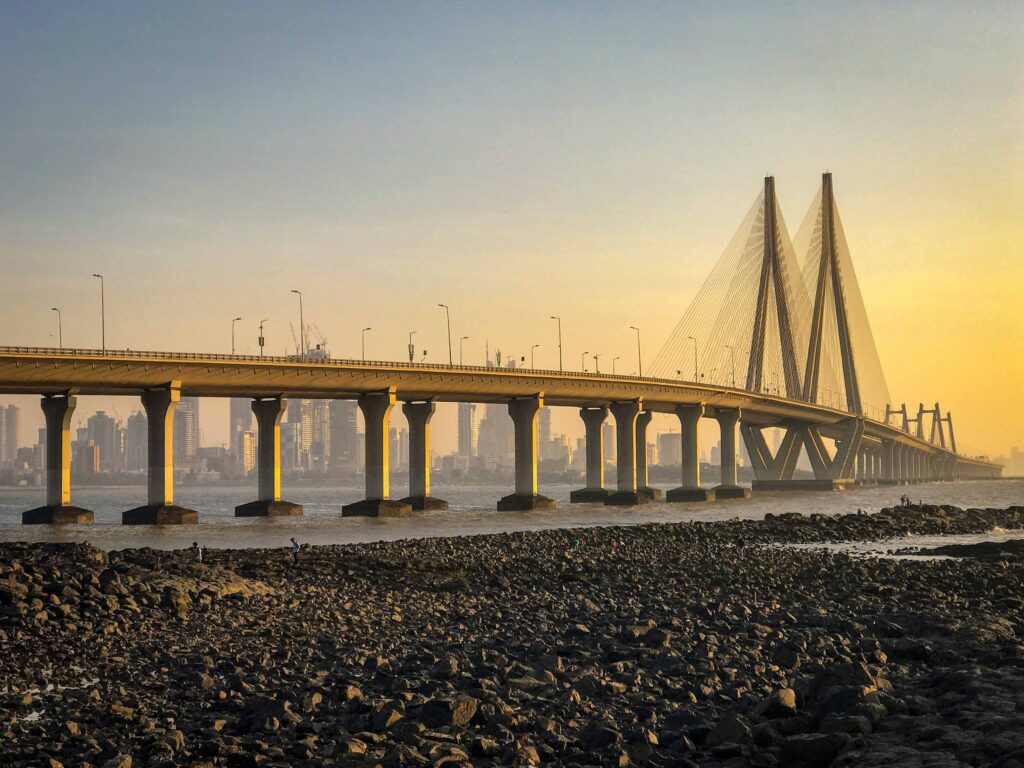
Quick Overview: 24 Hours in Mumbai at a Glance
- Best time to visit: November to February, dry and relatively cool at 18–30°C. March to May is hot and sticky. Monsoon (June to September) is dramatic, flooded, and strangely beautiful, but plan indoor buffers.
- Budget for one day: ₹700–₹1,200 shoestring, ₹2,500–₹4,500 mid range, ₹8,000+ with fine dining and cabs everywhere.
- Transportation: Local trains (the city’s bloodstream), metro lines, kaali peeli taxis, app cabs (Uber, Ola), BEST buses, and ferries from the Gateway.
- Walkability: South Mumbai from Colaba to Fort to Marine Drive is one of the most walkable heritage districts in India.
- Google Maps: Excellent for everything including live train and metro routing. Trust its walking directions in Fort’s lane maze.
- Good for: Solo travelers (safe, anonymous, easy), couples (Marine Drive was built for you), families (museums, aquarium adjacent attractions, boat rides).
One Day in Mumbai: The Hour by Hour Itinerary
| Time | What You’re Doing | Area |
|---|---|---|
| 6:00–7:30 AM | Sunrise at Gateway of India, Taj Mahal Palace views | Colaba |
| 7:30–9:00 AM | Irani cafe breakfast: bun maska, chai, akuri | Colaba / Fort |
| 9:00 AM–12:30 PM | Heritage walk: CST, Flora Fountain, High Court, University, Kala Ghoda, CSMVS museum | Fort / Kala Ghoda |
| 12:30–2:00 PM | Lunch: thali, seafood, or the street food route | Fort / Kala Ghoda |
| 2:00–5:00 PM | Colaba Causeway shopping, Sassoon Dock art, or a local train ride to Bandra | Colaba / Bandra |
| 5:00–7:30 PM | Marine Drive sunset, Girgaon Chowpatty snacks | Marine Drive |
| 7:30–9:30 PM | Dinner: seafood, Mughlai, or modern Indian | SoBo / Bandra |
| 9:30 PM onwards | Nightlife, late night chai, Marine Drive round two | Colaba / Lower Parel / Bandra |
Morning (6 AM–10 AM): The City Before It Wakes Up (It Never Fully Sleeps)
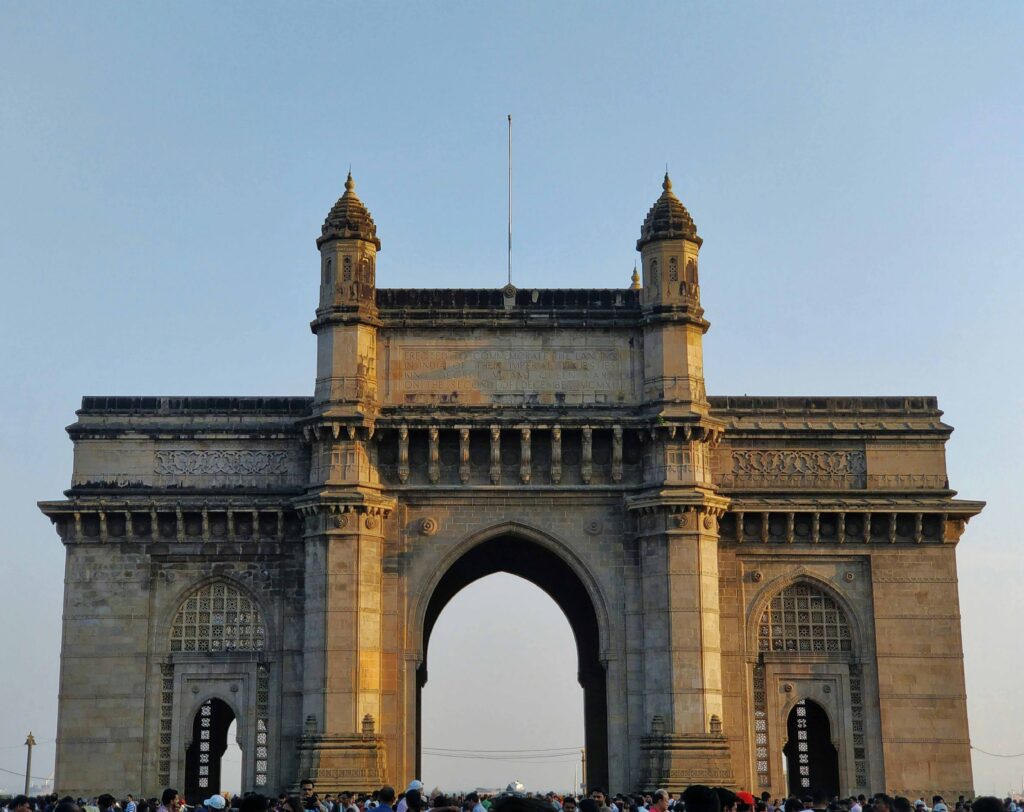
Start at the Gateway of India at first light, when the basalt arch stands almost alone against the harbour and the Taj Mahal Palace hotel glows behind it. Pigeons, boat horns, chai sellers, and none of the daytime crush. This is the best photograph in Mumbai and 7 AM is when you take it.
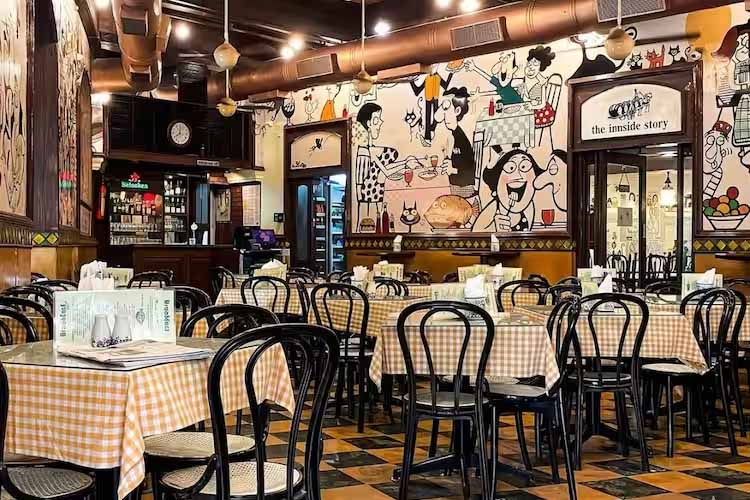
Walk five minutes into Colaba for breakfast at an Irani cafe, the Parsi run institutions that shaped Mumbai mornings for a century. Order bun maska (soft bun with a slab of butter) dunked in sweet chai, akuri (spiced scrambled eggs), and keema pav if you’re hungry. Legendary options: Kyani and Co. near Metro Cinema, Britannia and Co. in Ballard Estate (opens later, famous for berry pulao at lunch), or Olympia Coffee House in Colaba. Budget ₹150–₹300.
Hidden photography spot: Sassoon Dock at 6:30 AM, one of Mumbai’s oldest fish docks in full roaring trade, koli fisherwomen, mountains of ice and catch, and street art on the warehouse walls. Intense, pungent, unforgettable. Keep cameras respectful.
Late Morning (10 AM–1 PM): The Greatest Victorian Gothic District on Earth
South Mumbai’s Fort district is a UNESCO World Heritage ensemble of Victorian Gothic and Art Deco architecture, and the best way through it is on foot.
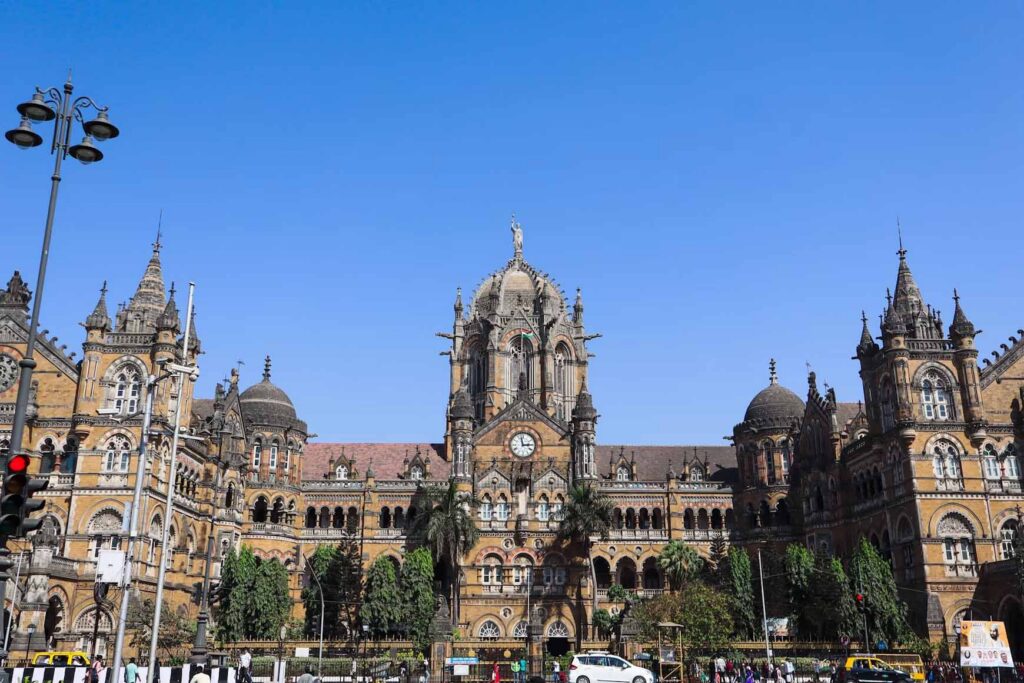
- Chhatrapati Shivaji Maharaj Terminus (CST): The most extravagant railway station ever built, gargoyles, stained glass, and a dome that out cathedrals most cathedrals. Watch the morning commuter ballet from the concourse.
- Flora Fountain and Dadabhai Naoroji Road: Grand banking era facades all the way down.
- Bombay High Court and Mumbai University: Peer through the gates at the Rajabai Clock Tower, Big Ben’s tropical cousin.
- Kala Ghoda: The art district: galleries, the Jehangir Art Gallery, boutique stores, and beautiful streets.
- CSMVS Museum (Prince of Wales Museum): If you pick one indoor stop, pick this: superb Indian art, sculpture, and miniature painting collections under a magnificent dome. Around ₹100–₹150 for Indians, more for foreign nationals.
Architecture lovers should also cut across to the Oval Maidan: cricket matches in front of a skyline where Victorian Gothic faces a row of 1930s Art Deco buildings, the exact frame that earned the UNESCO listing.
Lunch (12:30 PM–2 PM): Choose Your Mumbai
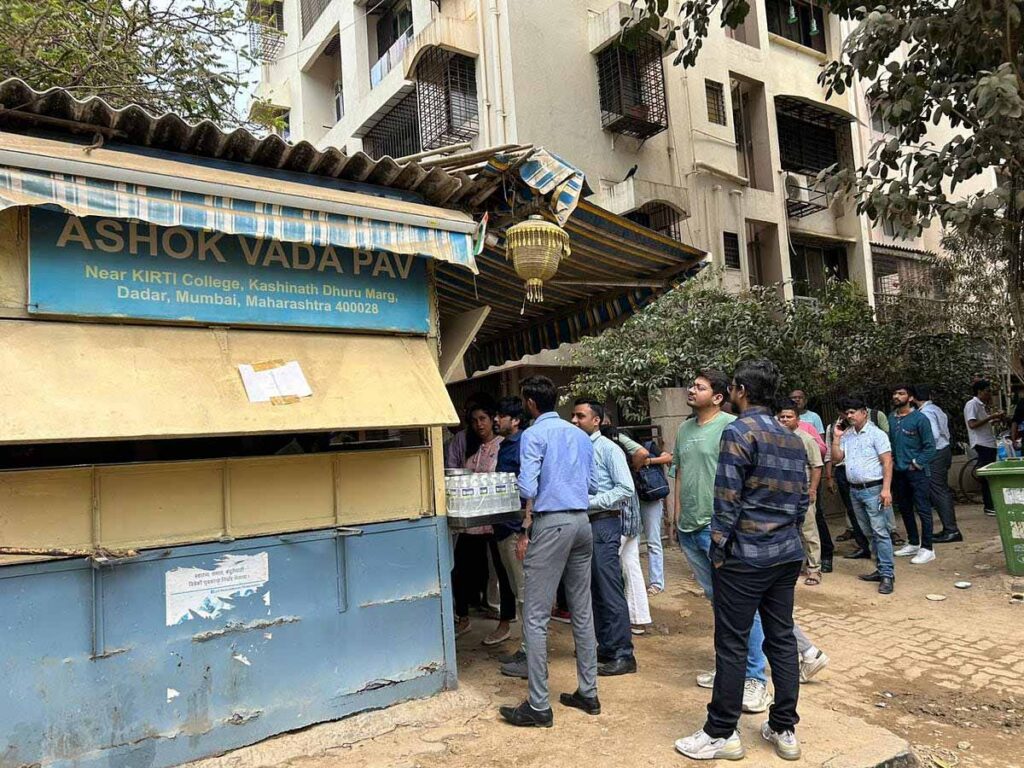
- Budget (₹100–₹250): The street food route: vada pav from a busy stall (Ashok Vada Pav near Kirti College is a pilgrimage, but any queue in Fort works), misal pav, or a South Indian thali at a Matunga style udupi joint.
- Mid range (₹400–₹900): Britannia and Co. for berry pulao and patra ni machhi, or a Gujarati/Rajasthani unlimited thali at Shree Thaker Bhojanalay, one of the great eating experiences in India.
- Premium (₹1,500–₹3,500): Trishna or Mahesh Lunch Home for butter garlic crab and gassi, or The Bombay Canteen in Lower Parel for modern regional Indian if you’re heading north later.
Must try dishes: vada pav, pav bhaji, bhel and sev puri, bombil (Bombay duck) fry, butter garlic crab, berry pulao, and cutting chai all day long.
Afternoon (2 PM–5 PM): Markets, Art, or the Train North
Pick your energy level:
- Option A, Colaba Causeway: Street shopping for jewellery, scarves, antiques (real and cheerfully fake), and bookstalls. Bargain to about half the opening price. Duck into Cafe Mondegar for a cold drink under the Mario Miranda murals.
- Option B, the local train experience: Ride a local from Churchgate to Bandra (off peak only, roughly 11 AM–4 PM, avoid rush hours unless you enjoy full contact commuting). In Bandra: Bandstand promenade, sea facing mansions of Bollywood stars, the lanes and cafes of Chapel Road with its street art, and Mount Mary Basilica.
- Option C, more culture: Linger in the CSMVS museum, catch a Jehangir Art Gallery show, and coffee at Kala Ghoda’s cafes.
Families can add the ferry ride from the Gateway (a short harbour loop if you can’t spare the half day Elephanta Caves demand).
Evening (5 PM–7:30 PM): The Queen’s Necklace at Golden Hour
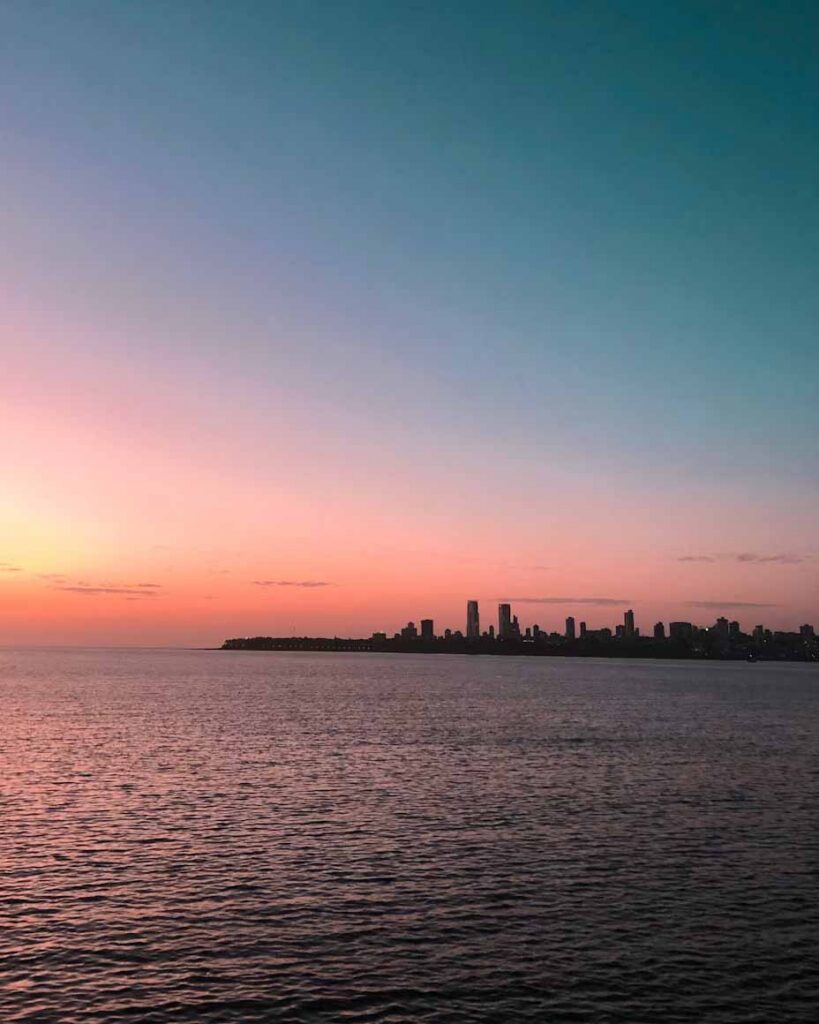
Everything in Mumbai bends toward Marine Drive at sunset. Walk the 3 km arc from Nariman Point toward Girgaon Chowpatty as the sun drops into the Arabian Sea and the streetlights flicker on, the curve of lights that gives it the Queen’s Necklace name. Sit on the parapet with a cutting chai. This costs nothing and it’s the best thing in the city.
At Girgaon Chowpatty, do the beach snack ritual: bhel puri, sev puri, pav bhaji sizzling on giant tavas, and kulfi. Don’t swim, the water isn’t for that, the atmosphere is.
Night (7:30 PM Onwards): Mumbai Switches On
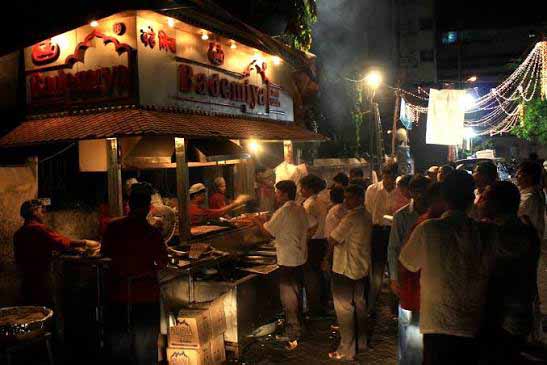
- Dinner: Seafood at Trishna or Mahesh (book ahead), kebabs and baida roti at Bademiya behind the Taj (a Colaba midnight institution), or modern Indian in Lower Parel.
- Street food: The Mohammed Ali Road and Bhendi Bazaar food lanes are legendary at night, especially during Ramzan, for kebabs, nalli nihari, and malpua.
- Nightlife: Colaba’s pubs (Leopold Cafe, Mondegar for the casual classics), craft cocktail bars in Kala Ghoda, breweries and clubs in Lower Parel and Bandra. Most venues run to 1 AM, some later on weekends.
- Safe walking areas: Marine Drive, Colaba, and Bandra’s main stretches stay alive and safe late into the night, Mumbai is famously a late city. Standard big city awareness applies after 1 AM.
- Late night: Bademiya runs past midnight, sea breeze on Marine Drive is free forever, and airport routes are quickest between 11 PM and 6 AM.
Top Attractions in Mumbai (Ranked for a One Day Visit)
- Gateway of India. The harbour front icon, best at dawn.
- Marine Drive and Girgaon Chowpatty. The sunset ritual of the entire city.
- CST (Chhatrapati Shivaji Maharaj Terminus). UNESCO listed Gothic spectacle you can walk through for the price of a platform ticket.
- Kala Ghoda and Fort heritage district. The best architecture walk in urban India.
- CSMVS Museum. World class collections in a gorgeous building.
- Colaba Causeway and Sassoon Dock. Shopping chaos and raw working Mumbai side by side.
- Bandra Bandstand and Chapel Road. Sea promenades, star homes, and street art.
- Haji Ali Dargah. The mosque on the sea, reachable at low tide, luminous at sunset.
- Elephanta Caves. Magnificent, but the ferry round trip eats 4–5 hours, save for a longer visit.
- Dhobi Ghat (Mahalaxmi). The open air laundry viewpoint, a quick photo stop if you’re passing.
Hidden Gems Most Tourists Miss
- Sassoon Dock at dawn: The fish trade in full flow plus large scale street art, mentioned above because it deserves saying twice.
- Banganga Tank: An ancient temple tank hidden inside Malabar Hill’s high rises, one of the oldest continuously used sacred sites in the city, and utterly silent.
- Khotachiwadi: A tiny heritage village of Portuguese style wooden bungalows tucked into Girgaon, pastel houses and old Bombay charm.
- Ballard Estate: Edwardian business district streets that feel like a film set at lunch, home to Britannia and Co.
- The Art Deco mile: Look up along Marine Drive and Oval Maidan’s west edge, Mumbai has the world’s second largest Art Deco collection after Miami.
- Gilbert Hill (Andheri): A 66 million year old sheer basalt column rising out of the suburbs, for geology nerds with spare time near the airport.
Mumbai Local Food Guide: What to Eat in One Day
Must Try Dishes
- Vada pav, the spiced potato fritter in a bun that runs this city
- Pav bhaji, buttery mashed vegetable curry with toasted buns
- Bhel puri and sev puri, beach chaat royalty
- Bombil fry, crisp Bombay duck, actually a fish
- Berry pulao, Britannia’s Parsi legend
- Butter garlic crab, the coastal splurge
- Misal pav, fiery sprout curry breakfast
Street Food Zones
- Girgaon Chowpatty for evening chaat
- Mohammed Ali Road for night kebabs and sweets
- Khau Galli near CST and college lanes for everything at student prices
- Any railway station exit for the city’s densest vada pav economics
Vegetarian Options
Mumbai might be India’s best vegetarian street food city: vada pav, pav bhaji, dabeli, sabudana vada, udupi dosas and thalis in Matunga, and the great Gujarati thali houses. You will not go hungry or bored.
Desserts
- Kulfi falooda at Chowpatty or Badshah near Crawford Market
- Mawa cake and caramel custard at Irani cafes
- Aflatoon and malpua on Mohammed Ali Road
Drinks
- Cutting chai, half glass, full experience, ₹10–₹15
- Sugarcane juice pressed fresh with ginger and lime
- Raspberry soda at Parsi cafes
- Craft beer in Lower Parel if the night goes that way
Budget Breakdown: What One Day in Mumbai Actually Costs (2026)
| Expense | Budget | Mid Range | Comfortable |
|---|---|---|---|
| Transport (trains/bus vs cabs) | ₹100–₹200 | ₹500–₹800 | ₹1,500–₹2,500 |
| Breakfast | ₹100–₹200 | ₹250–₹400 | ₹600+ |
| Lunch | ₹100–₹250 | ₹500–₹900 | ₹2,000–₹3,500 |
| Dinner + street snacks | ₹200–₹350 | ₹700–₹1,500 | ₹2,500+ |
| Entry tickets (museum etc.) | ₹100–₹150 | ₹150–₹300 | ₹700+ (foreign national rates) |
| Shopping / misc | ₹100–₹200 | ₹500–₹1,000 | ₹2,000+ |
| Daily Total | ₹700–₹1,200 | ₹2,500–₹4,500 | ₹8,000+ |
Transportation Guide: Getting Around Mumbai in a Day
- Local trains: The fastest way through the city, ₹5–₹30. Western Line (Churchgate–Bandra–north) and Central Line (CST outward) matter most to visitors. Ride off peak only; rush hour locals are a contact sport. First class and ladies compartments exist, learn the markings.
- Metro: The expanding metro network, including the Aqua Line 3 underground corridor through South Mumbai, is air conditioned and painless, useful for airport and midtown hops.
- Kaali peeli taxis: The black and yellow icons, metered, everywhere in South Mumbai, short hops ₹50–₹150. A heritage experience in themselves.
- App cabs: Uber and Ola work well, expect surge at rush hours and rain. Airport to Colaba runs ₹500–₹900 depending on time.
- BEST buses: Cheap, extensive, and the AC ones are genuinely comfortable, slower in traffic.
- Autos: Only operate north of Bandra/Sion, not in South Mumbai, plan accordingly.
- Ferries: Gateway of India jetties serve Elephanta and Alibaug, plus short harbour rides.
- Walking: Colaba–Fort–Marine Drive is a walker’s dream. Footpaths are decent by Indian standards, crossings need confidence.
Best Photography Spots in Mumbai
- Sunrise: Gateway of India near empty; Sassoon Dock in full trade; CST facade in soft light
- Sunset: Marine Drive parapet; Bandra Bandstand rocks; Haji Ali causeway silhouettes
- Architecture: CST dome and gargoyles; Rajabai Clock Tower across Oval Maidan; the Art Deco cinema fronts (Regal, Eros exterior)
- Street: Kaali peeli taxis against Gothic facades; dabbawalas at Churchgate around noon; Colaba Causeway stalls; Chapel Road murals in Bandra
- Instagram worthy: Cutting chai glasses on the Marine Drive parapet; the Queen’s Necklace after dark from a rooftop; Khotachiwadi’s pastel bungalows
Safety Tips for Mumbai
- Overall: Mumbai is widely considered India’s safest megacity, with women travelling alone late at night far more commonly than elsewhere. Stay ordinary levels of alert.
- Trains: Never board a moving train or stand in door crowds during rush hour, this is the city’s most real danger. Off peak travel solves it.
- Scams: Inflated taxi fares from tourist spots (insist on meter or use apps), fake ticket helpers at stations, and Colaba touts. Politely refuse and move.
- Crowds: Chowpatty, Causeway, and CST get dense, front pockets and zipped bags for phones and wallets.
- Monsoon: Waterlogging can shut the city for hours. In July–August, keep plans flexible and avoid low lying areas during red alerts.
- Emergency contacts: 112 national emergency, 100 police, 108 ambulance, 1298 for ambulance services in Mumbai.
10 Practical Travel Tips from a Local Perspective
- Do South Mumbai on foot and everything else by rail, traffic will eat any car based plan alive.
- Start at 6 AM, the Gateway at dawn versus the Gateway at noon are different planets.
- Avoid local trains 8–11 AM and 5–9 PM unless you want the full Mumbai initiation.
- Carry small cash for chai, vada pav, and taxis, UPI covers nearly everything else.
- Book Trishna or big name dinners a day ahead, walk ins wait long.
- Museums and many attractions close Mondays, check before planning your indoor block.
- Say “boss” to get a waiter’s attention and “chalega” to agree, instant local points.
- The sea link and coastal road make Bandra 20–30 minutes from SoBo by cab, use them if you split the day.
- During Ganesh Chaturthi (August–September) or Ramzan nights, rebuild the evening around the festivals, they’re spectacular.
- Keep your last two hours flexible, Mumbai’s best moments are the unplanned ones on Marine Drive.
Common Mistakes Tourists Make in Mumbai
- Planning Elephanta Caves into a single day. The ferry round trip plus caves takes half your day, it deserves its own outing.
- Taking cabs everywhere. One traffic jam between Colaba and Bandra can erase two attractions from your list.
- Riding rush hour locals with luggage. Just don’t.
- Skipping street food out of fear. High turnover stalls at Chowpatty and station corners are the safest bet in the country, follow the queues.
- Only seeing Colaba. Fort, Kala Ghoda, and Marine Drive are ten minutes away and twice as beautiful.
- Underestimating monsoon rain. “Heavy rain” in Mumbai means something else entirely.
- Shopping without bargaining on the Causeway. Opening prices assume you will.
FAQ: One Day in Mumbai
Is one day enough in Mumbai?
One day is enough for South Mumbai’s icons: the Gateway, the Gothic heritage district, Marine Drive, and the food. The suburbs, Elephanta, and Bollywood adjacent experiences need extra days.
Is Mumbai expensive?
Hotels are the priciest in India, but a sightseeing day is cheap: trains cost coins, street food is ₹15–₹100 a dish, and the two best experiences, the heritage walk and Marine Drive sunset, are free.
What is the best time to visit Mumbai?
November to February for dry, cooler weather. Monsoon Mumbai (June to September) is atmospheric but disruptive.
Is Mumbai safe for solo travelers?
Yes, Mumbai is generally regarded as India’s safest big city for solo and women travelers, with active streets late into the night. Use normal precautions after 1 AM.
What food must I try in Mumbai in one day?
Vada pav, pav bhaji, bhel puri at Chowpatty, an Irani cafe breakfast, and either butter garlic crab or berry pulao for the big meal.
Is public transport in Mumbai good?
Exceptional by Indian standards: locals are fast and dirt cheap, the growing metro is comfortable, and kaali peeli taxis fill every gap in South Mumbai.
What is the best area to stay for one day?
Colaba or Fort. You wake up inside the itinerary, everything in this guide starts within walking distance.
Should I visit Elephanta Caves on a one day trip?
Only if you sacrifice the heritage walk or the evening. The round trip takes 4–5 hours. Most one day visitors should skip it.
Can I see Bollywood stars?
Crowds gather outside star bungalows in Bandra (Bandstand area) at evening, sightings happen but aren’t promised. Studio tours require pre booking and a spare half day.
Is the local train experience worth it for a tourist?
Yes, off peak. A Churchgate to Bandra ride with the doors open breeze is peak Mumbai for the price of a chai.
What should I avoid in Mumbai?
Rush hour trains, cab based itineraries across the city, unmetered taxis at tourist spots, and swimming at city beaches.
Is Mumbai good for vegetarians?
Outstanding, from vada pav to Gujarati thalis to Matunga’s udupi restaurants, vegetarian Mumbai is arguably the best street food scene in India.
Final Word
One day in Mumbai works because the city compresses beautifully: empires, art, chaos, and the sea, all within one walkable southern tip. Do the dawn Gateway, walk the Gothic mile, eat with both hands, and end on the Marine Drive parapet as the necklace lights up. Mumbai doesn’t ask you to see everything. It asks you to keep up. For 24 hours, you absolutely can.