Only got one day in Manali? Most people spend that entire day stuck in Mall Road traffic wondering where the mountains went. Don’t be most people. With an early start and the right route, 24 hours in Manali gives you cedar forests, an ancient wooden temple, riverside cafes in Old Manali, apple orchards, the roar of the Beas, and if the season and permits align, a run up toward the Atal Tunnel and the snow line at Solang or Sissu.
This one day itinerary for Manali is built the way locals move: nature and temples in the morning before the crowds, cafes and villages in the afternoon, Mall Road only in the evening when it’s actually at its best. It works for couples on a honeymoon squeeze, families, solo backpackers between buses, and anyone using Manali as the gateway to Ladakh or Spiti. Here’s exactly what to do in Manali in one day in 2026, with real costs and the mistakes that waste half your trip.
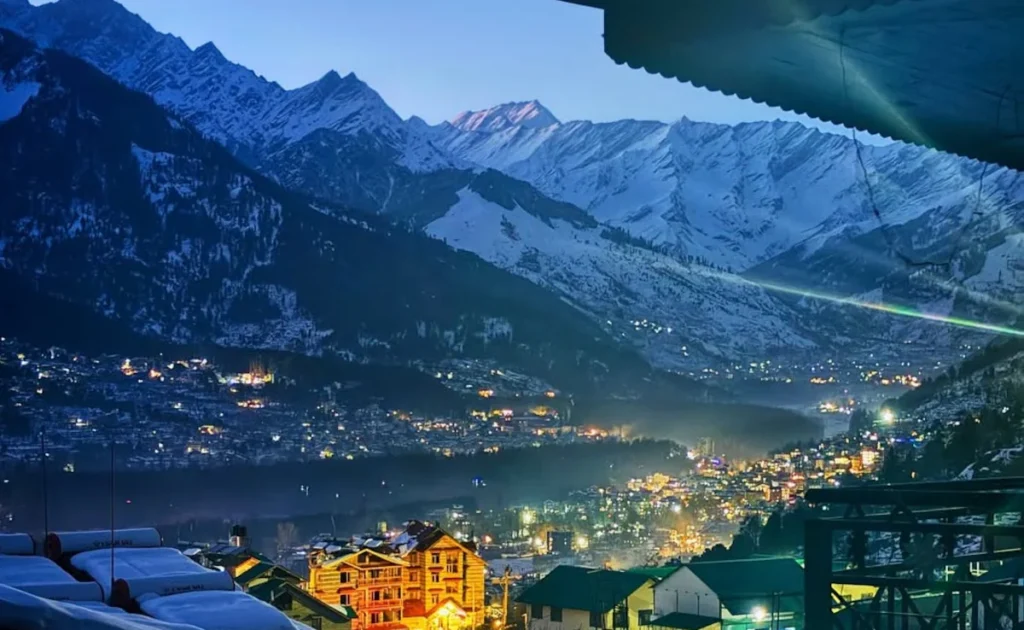
Quick Overview: 24 Hours in Manali at a Glance
- Best time to visit: March to June for pleasant 10–25°C weather and open high passes. October to February for snow (December to February for guaranteed white landscapes at altitude). July to September brings monsoon landslide risk on highways.
- Budget for one day: ₹1,000–₹1,500 shoestring, ₹2,500–₹4,500 mid range, ₹8,000+ with a private cab to Solang/Sissu and adventure activities.
- Transportation: Walking (the town core is compact), autos, local buses, taxi unions with fixed rate cards, and rented scooters or bikes for the confident.
- Walkability: Excellent. Mall Road, Van Vihar, Hadimba Temple, and Old Manali are all connected by walkable paths of 1–3 km, uphill in places.
- Google Maps: Good for roads and cafes. Walking trails through the deodar forest are better found by asking locals or following the obvious paths.
- Good for: Couples (the honeymoon capital reputation is earned), families (easy nature, parks, activities), solo travelers (Old Manali’s backpacker scene is instantly social).
One Day in Manali: The Hour by Hour Itinerary
| Time | What You’re Doing | Area |
|---|---|---|
| 6:30–8:00 AM | Riverside walk along the Beas, mountain views in first light | Manali town |
| 8:00–9:00 AM | Breakfast: aloo parathas and chai, or an Old Manali cafe | Town / Old Manali |
| 9:00–10:30 AM | Hadimba Devi Temple and the deodar forest, Ghatotkach shrine | Dhungri forest |
| 10:30 AM–1:00 PM | Option A: Solang Valley or Atal Tunnel/Sissu run. Option B: Vashisht hot springs and village | Solang / Vashisht |
| 1:00–2:00 PM | Lunch: Himachali dham thali or trout | Old Manali / town |
| 2:00–5:00 PM | Old Manali: Manu Temple, cafes, riverside lazing, shopping | Old Manali |
| 5:00–7:00 PM | Van Vihar walk, Tibetan Monastery, sunset colours on the peaks | Manali town |
| 7:00 PM onwards | Mall Road stroll, dinner, live music cafe or bonfire | Mall Road / Old Manali |
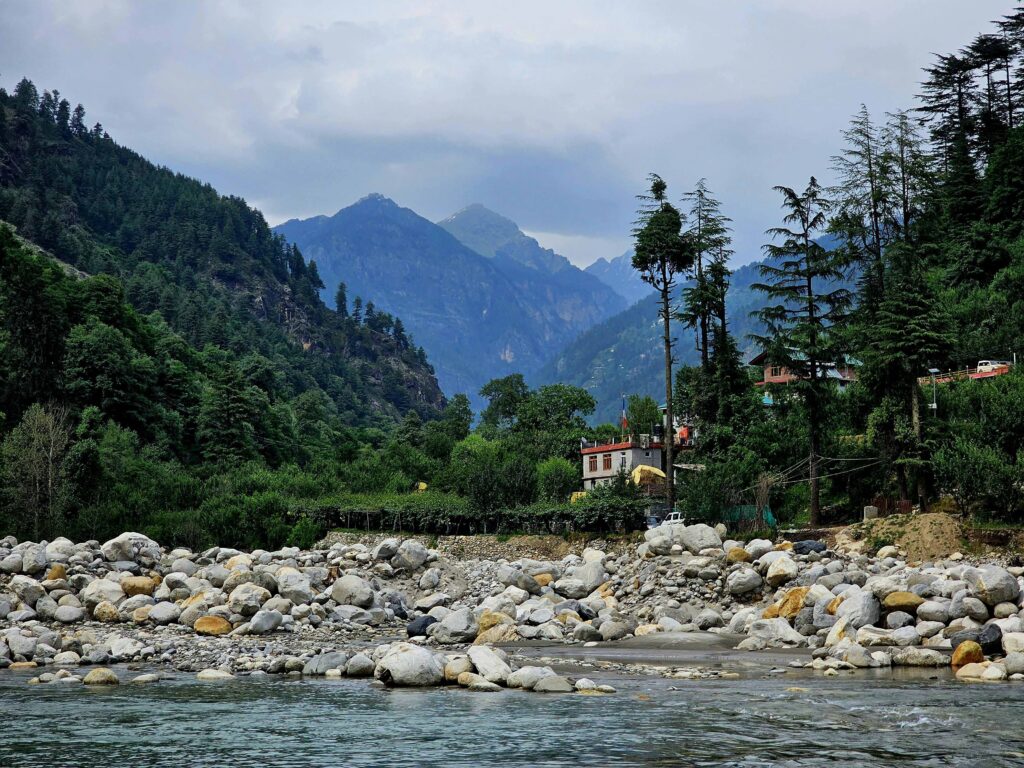
Morning (6 AM–10 AM): Cedar Forests and an Ancient Goddess
Mountain mornings are the whole reason you’re here, so be outside by 6:30. Walk the paths along the Beas River as the sun catches the snow on the Pir Panjal peaks and the water runs glacier loud. The air at this hour is the best free thing in Himachal.
Breakfast: a dhaba aloo paratha with white butter and chai (₹80–₹150), or if you head straight up to Old Manali, cafes open by 8–8:30 with proper coffee, pancakes, and Israeli breakfasts, the legacy of decades on the backpacker trail.
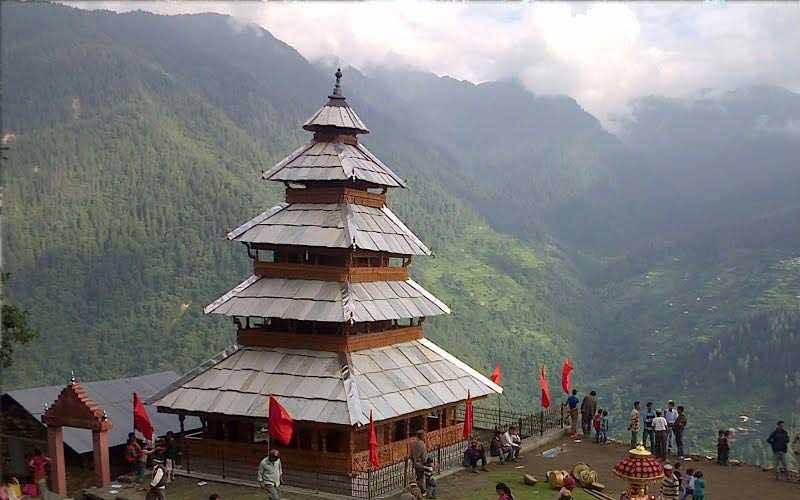
Then climb into the Dhungri deodar forest to the Hadimba Devi Temple, a 1553 pagoda style wooden temple wrapped around a natural rock shrine, antlers on the walls, cedar shadows everywhere. Go before 9:30 AM; by midday the queue rivals the mountain. Two minutes away, the smaller Ghatotkach shrine sits among the trees, and yak and angora rabbit photo stands appear along the path (pay only what’s agreed upfront).
Hidden photography spot: the forest path behind Hadimba toward Old Manali, shafts of light through 40 metre deodars, and almost nobody on it before 9 AM.
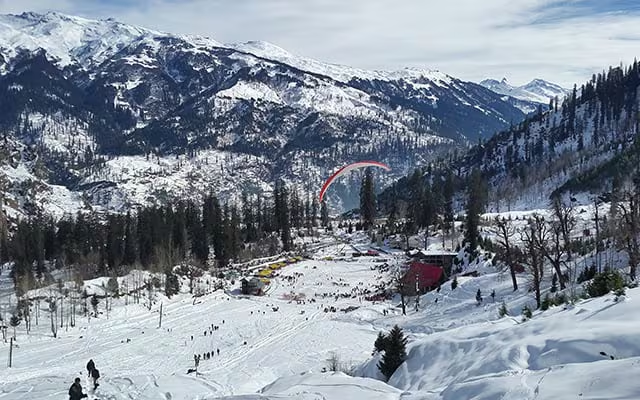
Late Morning (10:30 AM–1 PM): Choose Your Adventure
Option A, the snow and adrenaline run: Take a cab toward Solang Valley (about 14 km, 40–50 minutes): paragliding, zorbing, ropeway rides in summer; skiing and snow play in winter. If conditions and time allow, continue through the Atal Tunnel, the 9 km engineering marvel under the Rohtang range, to emerge in Sissu in Lahaul: a different, starker Himalayan world with a waterfall and lake, roughly 1.5 hours from Manali each way. Check current permit/traffic rules for the tunnel locally, weekend congestion is real and winter conditions can close the road. Taxi for this half day run: roughly ₹2,500–₹4,000.
Option B, the gentle heritage route: Head to Vashisht village across the river: sulphur hot spring baths inside the temple complex (free, separate sections for men and women), the old stone Vashisht and Rama temples, and lanes of slate roofed houses with orchard views. Quieter, cheaper, and deeply Himachali.
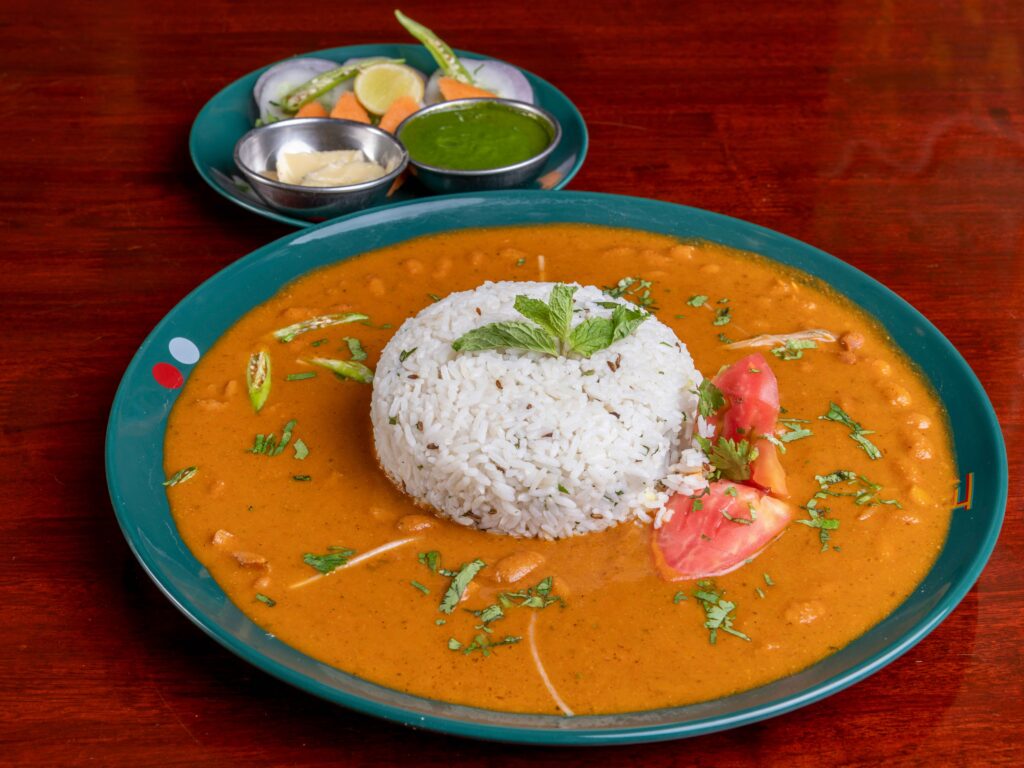
Lunch (1 PM–2 PM): Eat Like the Hills Do
- Budget (₹120–₹250): A local dhaba for rajma chawal or a simple Himachali dham style plate, madra, dal, rice, and sweet and sour flavours from temple feast cooking.
- Mid range (₹350–₹700): Old Manali’s cafes: wood fired pizzas, Himalayan river trout grilled with herbs, thukpa and momos done properly. Cafe 1947 by the river and Lazy Dog are long standing favourites.
- Premium (₹900–₹2,000): A riverside table at an upscale cafe or resort restaurant, trout, local greens, and mountain views billed by the metre.
Must try dishes: siddu (steamed stuffed bread with ghee), trout, Himachali dham, momos and thukpa, and babru if you find it.
Afternoon (2 PM–5 PM): Old Manali, Where Time Slows Down
Old Manali is the village above the town, reached by the bridge over the Manalsu stream, and it’s where the good afternoons happen.
- Climb the lane to the Manu Temple, dedicated to the sage Manali is named for, through a working village of stone and timber kath kuni houses and apple orchards.
- Cafe hop: live music boards, book swaps, riverside cushions, and coffee that takes its time.
- Shopping: woollens, hand knitted socks, Kullu shawls and caps (buy Kullu weaves from cooperative shops like Bhuttico for the real thing), dreamcatchers, and jam and cider from local orchards.
- Or just sit by the Manalsu with your feet near the freezing water and do absolutely nothing, this is a legitimate Manali activity with a long tradition.
Evening (5 PM–7 PM): Soft Light on Big Mountains
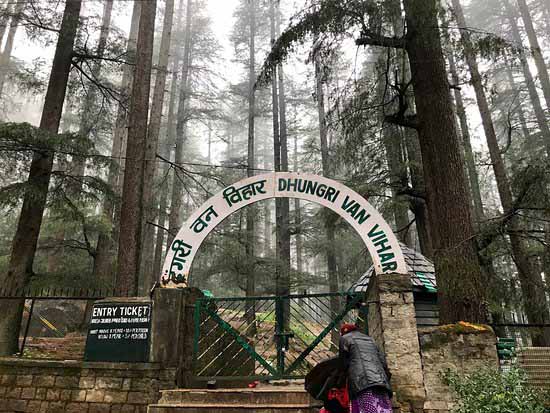
- Van Vihar: The deodar park beside Mall Road, tall trees, a small pond, and benches for watching alpenglow hit the peaks.
- Himalayan Nyingmapa Tibetan Monastery: Prayer wheels, butter lamps, and a giant golden Buddha, calm settles here at dusk. The Tibetan market nearby sells carpets and curios.
- Sunset itself disappears behind ridgelines early in the mountains, the colour show on the eastern snow peaks after the sun drops is the actual event.
Night (7 PM Onwards): Mall Road Hours
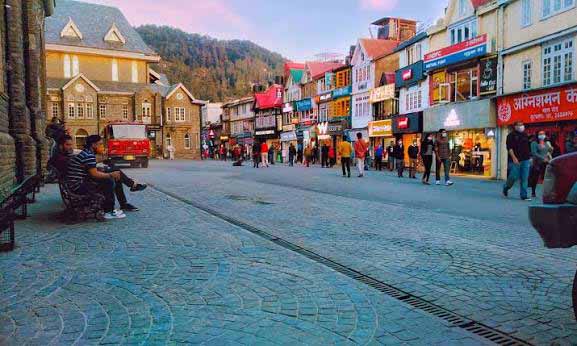
- Mall Road stroll: This is when the pedestrian strip earns its keep: lit up shops, roasted corn and momo carts, families promenading, and mountain cold settling in. Buy a shawl you’ll actually use immediately.
- Street food: Steaming momos (₹60–₹120 a plate), maggi points, sizzling trout at some stalls, gulab jamun in winter, and chai everywhere.
- Dinner and nightlife: Manali nights are mellow: live acoustic sets and bonfires at Old Manali cafes (music generally winds down by 10–11 PM), Johnson’s Cafe for trout dinners, or your hotel’s bukhari warmed dining room. This is not a club town, and that’s the charm.
- Safe walking areas: Mall Road and the main Old Manali lane stay populated till late. Forest paths and the highway after dark are for vehicles and the occasional leopard, not pedestrians.
- Late night: Bakeries and a few cafes run past 11 PM in season. Carry a layer, even summer nights drop near 10°C.
Top Attractions in Manali (Ranked for a One Day Visit)
- Hadimba Devi Temple. The 16th century wooden pagoda in the cedar forest, Manali’s soul.
- Old Manali village and Manu Temple. Cafes, orchards, and kath kuni architecture.
- Solang Valley. The adventure playground: paragliding, ropeway, snow season sports.
- Atal Tunnel and Sissu. The under mountain drive into Lahaul’s stark beauty, conditions permitting.
- Vashisht hot springs and temples. Ancient stone temples and a genuinely hot bath.
- Beas riverside walks. Free, loud, and gorgeous at both ends of the day.
- Van Vihar and the Tibetan Monastery. The town’s gentle evening circuit.
- Mall Road. Best after dark, for the promenade rather than the shopping.
- Jogini Waterfall trek. A lovely 2–3 hour round trip from Vashisht if you trade away another block.
- Naggar Castle and Roerich Gallery. Superb, but 45–60 minutes away, better for a second day.
Hidden Gems Most Tourists Miss
- Goshal village: Fifteen minutes’ walk beyond Old Manali’s last cafe, a fully traditional village of timber houses and wheat terraces, no shops, all atmosphere.
- Jogini Waterfall: The short forest trek above Vashisht, pools, prayer flags, and valley views, go early to have it quiet.
- Shanag and Burwa villages: On the Solang road, orchard villages where you can stop for photos no one else has.
- The riverside path to Bahang: A flat, easy walk north along the Beas with zero tour buses.
- Local apple products: Cider, jams, and apple wine from Himachali cooperatives, better souvenirs than anything mass produced on Mall Road.
- Winter only: frozen Jogini falls and the silence of Old Manali off season, half the cafes shut, the village returns to itself.
Manali Local Food Guide: What to Eat in One Day
Must Try Dishes
- Siddu, steamed local bread stuffed with poppy seed or walnut paste, eaten with ghee
- Himachali dham, the traditional festive thali of madra, rajma, and sweet rice
- River trout, grilled or pan fried, the valley’s pride
- Momos and thukpa, mountain staples done right
- Rajma chawal, dhaba comfort at altitude
Street Food
- Momo and maggi carts along Mall Road and the Old Manali bridge
- Roasted corn and peanuts on winter evenings
- Fresh apple and plum stalls in season (August to October)
Vegetarian Options
Effortless: dham is largely vegetarian, dhabas run on dal, rajma, and parathas, and Old Manali’s cafes carry big vegetarian and vegan menus from decades of feeding backpackers.
Desserts
- Apple pie and cinnamon rolls at German bakery style cafes
- Mittha, sweet Himachali rice with dry fruits, if a dham plate offers it
- Hot gulab jamun from Mall Road stalls on cold nights
Drinks
- Chai at riverside dhabas, endlessly
- Fresh apple cider and juice from orchard stalls
- Seabuckthorn juice, the Himalayan vitamin bomb
- Proper coffee in Old Manali when the espresso machines wake up
Budget Breakdown: What One Day in Manali Actually Costs (2026)
| Expense | Budget | Mid Range | Comfortable |
|---|---|---|---|
| Local transport (walking/bus/auto vs taxi day hire) | ₹100–₹300 | ₹800–₹1,500 | ₹2,500–₹4,000 (Solang/Sissu cab) |
| Breakfast | ₹80–₹150 | ₹250–₹400 | ₹500+ |
| Lunch | ₹120–₹250 | ₹400–₹700 | ₹1,000–₹2,000 |
| Dinner + snacks | ₹200–₹350 | ₹500–₹900 | ₹1,500+ |
| Activities (springs free; paragliding etc.) | ₹0–₹100 | ₹500–₹1,500 | ₹2,500+ (paragliding ₹1,500–₹3,500 by height) |
| Shopping / misc | ₹100–₹300 | ₹500–₹1,000 | ₹2,000+ |
| Daily Total | ₹1,000–₹1,500 | ₹2,500–₹4,500 | ₹8,000+ |
Transportation Guide: Getting Around Manali in a Day
- Walking: The honest answer for the town core. Mall Road to Hadimba is 2 km uphill, Mall Road to Old Manali about 3 km, all of it pretty.
- Autos: Short hops ₹50–₹150 around town, agree the fare first, union rates are broadly fixed.
- Taxis: Union operated with rate cards: Solang round trip roughly ₹1,500–₹2,500, Atal Tunnel/Sissu ₹2,500–₹4,000 depending on season and waiting time. Book through your hotel or the stand near Mall Road.
- Local buses: HRTC buses run cheap services toward Solang road villages, Naggar, and Kullu, slow but scenic and a few rupees.
- Scooter/bike rental: ₹700–₹1,500 a day. Only for confident riders: mountain roads, sudden weather, and traffic near the tunnel demand respect. Licence and helmet mandatory.
- Ride apps: Limited to nonexistent, this is taxi union territory, plan accordingly.
Best Photography Spots in Manali
- Sunrise: Beas riverbanks with lit snow peaks; the empty forest path to Hadimba
- Sunset/alpenglow: Van Vihar clearings; Old Manali rooftop cafes facing the eastern ridges; Vashisht terraces
- Architecture: Hadimba’s pagoda tiers; kath kuni timber houses in Goshal and Vashisht; the Tibetan Monastery’s golden Buddha
- Street: Mall Road at night; momo steam at cart level; wool shops’ colour walls
- Instagram worthy: Deodar light shafts in Dhungri forest; the Old Manali bridge over the Manalsu; snow selfies at Solang; prayer flags against peaks at Jogini
Safety Tips for Manali
- Mountain roads: The biggest real risk. Hire experienced drivers, avoid night driving on highways, and respect closures, they exist because slopes fail.
- Rivers: The Beas is glacier fed, fast, and cold enough to disable a swimmer in minutes. Photos from the bank, never wading beyond ankle depth, and never near dam release zones.
- Altitude and weather: Manali town (about 2,000 m) rarely troubles anyone, but Sissu and high excursions can. Weather flips fast, carry a layer and rain shell always.
- Adventure operators: Paraglide and raft only with licensed operators, check harnesses and helmets, and skip flights in gusty afternoon winds.
- Scams: Inflated photo prop charges (yaks, costumes), “special” saffron and shilajit sellers, and unofficial guides at temples. Agree prices first, buy from proper shops.
- Emergency contacts: 112 national emergency, 100 police, 108 ambulance, and note your hotel’s number, mobile coverage dips in side valleys.
10 Practical Travel Tips from a Local Perspective
- Do outdoor Manali before 10 AM and after 4 PM, the middle belongs to tour bus crowds.
- Book Solang or tunnel taxis the evening before, morning scrambles cost more.
- Check Atal Tunnel traffic and weather advisories on the day, weekend jams can eat three hours.
- Carry cash, cafes take UPI but taxis, dhabas, and village stalls prefer notes.
- Layer up regardless of season, valley mornings and nights run 10–15 degrees below the daytime.
- Buy Kullu shawls from cooperative outlets, the GI tagged real thing outlasts five Mall Road copies.
- Order trout where there’s turnover, it should taste like the river, not the freezer.
- Sturdy shoes: every good thing in Manali involves a slope.
- If snow is the mission (December to February), budget the whole midday block for Solang or Sissu and skip Vashisht.
- Leave Mall Road for last, after dark it’s charming, at noon it’s a traffic jam with souvenir shops.
Common Mistakes Tourists Make in Manali
- Spending the day on Mall Road. The real Manali is a 2 km walk uphill in any direction.
- Attempting Rohtang Pass on a one day visit. Permits, queues, and altitude make it a full day gamble, Solang or Sissu deliver the snow with half the hassle.
- Underestimating distances by time. 14 km to Solang is 45+ minutes, mountain kilometres are slow kilometres.
- Getting into the Beas for photos. People die doing this every year. The river is not a prop.
- Peak season walk ins. May–June and Christmas week need booked cabs and dinner tables.
- Buying “saffron” and “shilajit” from street sellers. It isn’t.
- Skipping the forest temples for adventure parks. Hadimba at 8 AM is the single best experience in town.
FAQ: One Day in Manali
Is one day enough in Manali?
One day covers the essentials: Hadimba Temple, Old Manali, either Solang Valley or Vashisht, and Mall Road at night. Add days for Rohtang, Naggar, Kasol, or treks.
Is Manali expensive?
The town itself is budget friendly, ₹1,000–₹1,500 covers a simple day. Taxis to Solang or Sissu and adventure sports are the main costs that push budgets up.
When can I see snow in Manali?
Reliable snow in town areas from late December to February. At Solang and beyond the Atal Tunnel, snow lingers roughly November to March, sometimes longer at altitude.
Can I visit the Atal Tunnel and Sissu in one day?
Yes, it’s a half day round trip from Manali when roads are clear. Check same day traffic and weather advisories, weekends and snowfall can cause long delays or closures.
Is Manali safe for solo travelers?
Very. The backpacker infrastructure in Old Manali makes solo travel easy and social. Main risks are roads and rivers, not people.
What food should I try in Manali?
Siddu with ghee, Himachali dham, river trout, momos and thukpa, and apple everything in harvest season.
Is public transport good in Manali?
Adequate: HRTC buses are cheap on main routes, but for a one day visit, walking plus one hired taxi block is the efficient formula. Ride hailing apps barely operate here.
What is the best area to stay for one day?
Old Manali for cafes and character, or the Mall Road/Club House area for walkability to everything. Riverside hotels on the Naggar road suit families wanting quiet.
Do I need permits for anything?
Not for Manali town, Solang, or the Atal Tunnel route in normal conditions. Rohtang Pass requires permits with daily caps, one more reason it doesn’t fit a one day plan.
Is Manali good for families?
Excellent: easy nature walks, Hadimba, Solang’s activities, and hot springs keep all ages engaged without hard trekking.
What should I avoid in Manali?
Midday Mall Road, river selfies, unlicensed adventure operators, night highway drives, and cramming Rohtang into a single day.
What should I pack for one day?
Layers, a rain shell, sunscreen (mountain sun burns fast), sturdy shoes, cash, and a power bank, cold drains phone batteries quickly.
Final Word
One day in Manali, done right, is deodar shade on an ancient temple, cafe hours above a glacier stream, snow within reach for half the year, and momos steaming under Mall Road lights. The mountains don’t rush and neither should your itinerary, pick your blocks, start early, and let the valley do the rest. You’ll board your bus already negotiating with your calendar for a longer return.