Trying to fit one day in Delhi feels like summarising a thousand years in a tweet, because that’s literally what Delhi is: seven historic cities stacked on top of each other, with a metro running through all of them. But here’s the good news: 24 hours in Delhi, planned around the metro and the city’s two great personalities, can genuinely deliver the essentials. The Mughal drama of Old Delhi at dawn, parathas fried in ghee in a 150 year old lane, the sandstone majesty of Humayun’s Tomb, the imperial sweep of Rajpath and India Gate, and Delhi’s fierce, wonderful food scene stitching it all together.
This one day itinerary for Delhi runs Old Delhi in the morning, New Delhi and the Mughal south in the afternoon, and lights, markets, and kebabs at night, all sequenced to dodge the traffic that eats lesser itineraries alive. It works for solo travelers, couples, families, and anyone landing at IGI with a single free day. Here’s exactly what to do in Delhi in one day in 2026, with real costs, metro logistics, and the classic tourist traps to sidestep.
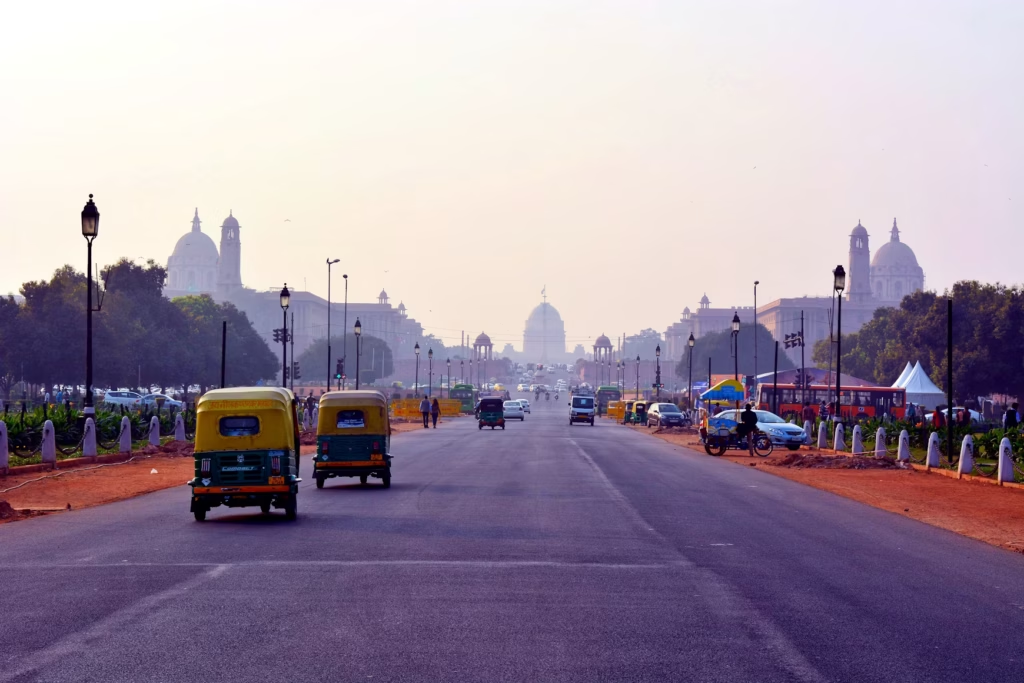
Quick Overview: 24 Hours in Delhi at a Glance
- Best time to visit: October to March, with February and March the sweet spot (15–28°C, gardens blooming). November to January can bring smog episodes and cold mornings. April to June is brutal heat (43°C+ happens), monsoon runs July to September.
- Budget for one day: ₹800–₹1,300 shoestring, ₹2,500–₹4,500 mid range, ₹8,000+ with fine dining and private cabs.
- Transportation: Delhi Metro, one of the world’s great transit systems, plus app cabs and autos (Uber, Ola, Rapido), cycle rickshaws in Old Delhi, and buses.
- Walkability: Old Delhi is a walking (and cycle rickshaw) experience. Lutyens’ Delhi has grand walkable stretches. Between zones, metro always.
- Google Maps: Excellent, including metro routing with platform level directions. In Chandni Chowk’s lanes, follow the food, not the app.
- Good for: History loving solo travelers, couples (sunset at Humayun’s Tomb is criminally romantic), and families (open lawns, museums, and the metro makes logistics painless).
One Day in Delhi: The Hour by Hour Itinerary
| Time | What You’re Doing | Area |
|---|---|---|
| 6:30–8:00 AM | Jama Masjid at first light, minaret climb, Old Delhi waking up | Old Delhi |
| 8:00–9:30 AM | Paranthe Wali Gali breakfast, Chandni Chowk lanes, jalebi | Chandni Chowk |
| 9:30–11:00 AM | Red Fort ramparts and museums | Old Delhi |
| 11:00 AM–12:00 PM | Raj Ghat or Gurudwara Sis Ganj Sahib, metro south | Old Delhi → New Delhi |
| 12:00–1:30 PM | Humayun’s Tomb, the Taj’s magnificent ancestor | Nizamuddin |
| 1:30–2:30 PM | Lunch: butter chicken, chole bhature, or Khan Market cafes | Central Delhi |
| 2:30–4:30 PM | Qutub Minar, or India Gate + National Museum route | Mehrauli / Rajpath |
| 4:30–7:00 PM | Lotus Temple or Lodhi Garden golden hour, Connaught Place | South / Central |
| 7:00 PM onwards | Dinner and night: India Gate lit up, Hauz Khas or CP nightlife, late kebabs | Central / South Delhi |
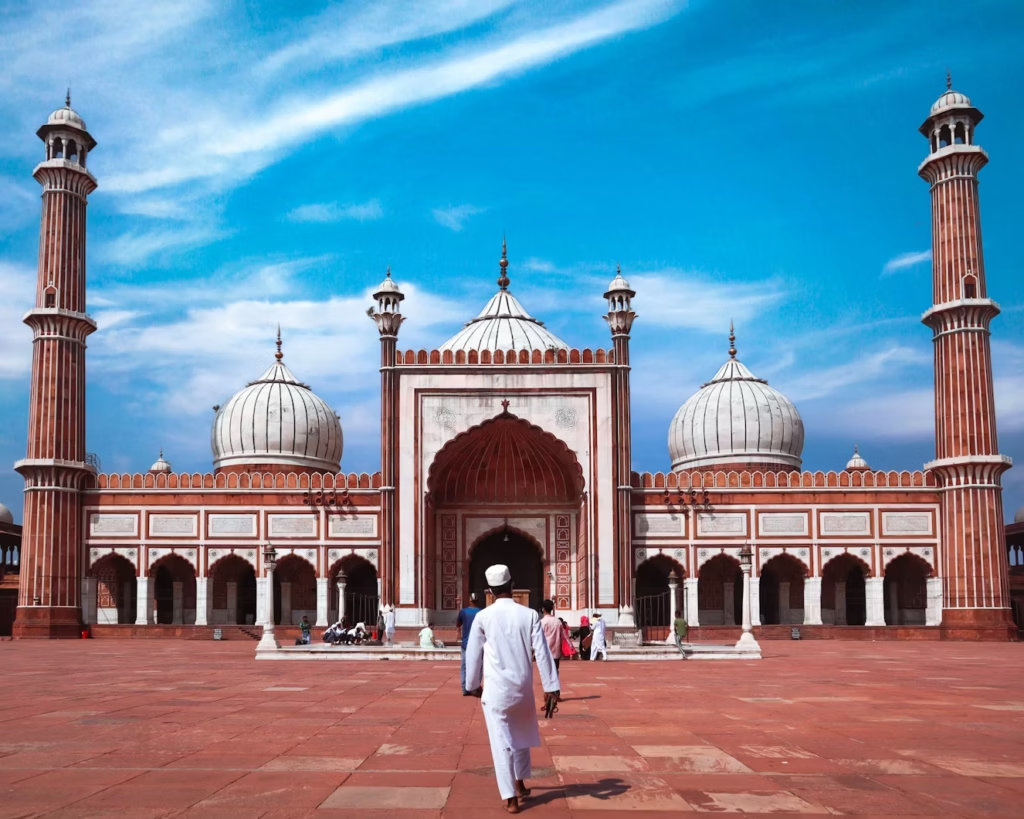
Morning (6 AM–10 AM): Old Delhi, the Beating Mughal Heart
Start at Jama Masjid as the gates open around sunrise. India’s grandest mosque, built by Shah Jahan in 1656, holds a courtyard for 25,000 and a stillness at dawn that noon never sees. Dress modestly (robes are provided at the gate for a small fee), and climb the southern minaret (small ticket) for the definitive view: a sea of Old Delhi rooftops with the Red Fort rising beyond.
Then walk into the lanes for breakfast at Paranthe Wali Gali, the parantha alley feeding Delhi since the 1870s: potato, paneer, mixed, even banana paranthas, fried in ghee and served with tangy chutneys and pickle for ₹80–₹150. Chase it with hot jalebi from the Old Famous Jalebi Wala at the Dariba corner and masala chai anywhere the kettle’s going.
Explore as the bazaar wakes: Dariba Kalan for silver, Kinari Bazaar for wedding sparkle, the spice mountain sensory assault of Khari Baoli, Asia’s largest spice market, if your nose is brave (the sneezing is part of the experience). A cycle rickshaw through the lanes (₹100–₹200 for a loop, agree first) is the classic move.
At 9:30, enter the Red Fort from Lahori Gate: the sandstone walls run 2 km around Shah Jahan’s palace city, with the Diwan i Aam and Diwan i Khas pavilions and museum galleries inside. Entry roughly ₹35–₹50 for Indians, ₹500–₹600 for foreign nationals, closed Mondays. Ninety minutes covers it well.
Hidden photography spot: the rooftop cafes near Jama Masjid’s Gate 1 frame the domes over chai, and the minaret view at 7 AM beats every drone shot you’ve seen.
Late Morning (11 AM–1:30 PM): South by Metro to the Mughal Masterpiece
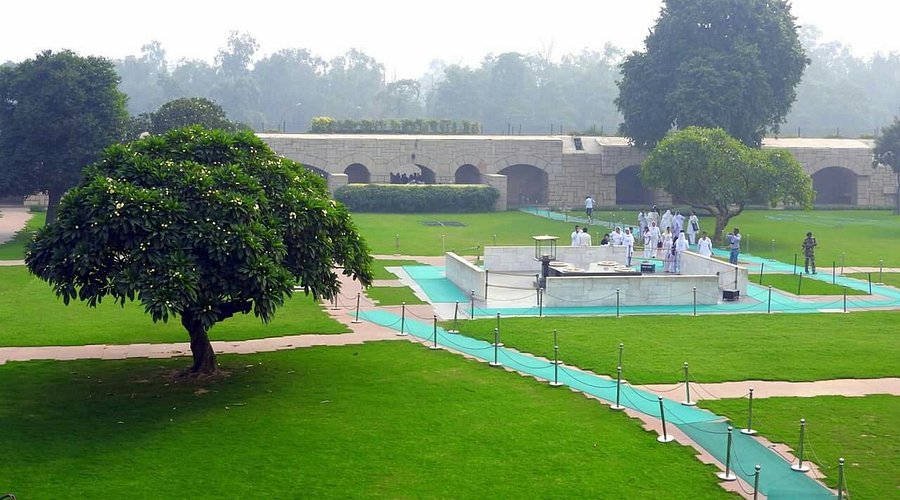
Optionally pause at Raj Ghat, Mahatma Gandhi’s serene black marble memorial, or the Gurudwara Sis Ganj Sahib in Chandni Chowk (cover your head, witness the langar kitchen that feeds thousands daily, humbling and free to all).
Then ride the metro south to Nizamuddin for Humayun’s Tomb, the 1570 garden tomb that taught the Taj Mahal how to be beautiful. Red sandstone and white marble, charbagh gardens, and the restored Isa Khan tomb enclosure by the entrance. UNESCO listed, gorgeously maintained, entry about ₹35–₹50 for Indians, ₹550–₹600 for foreign nationals. The adjacent Sunder Nursery, a Mughal garden park with heritage pavilions, is Delhi’s loveliest picnic ground if you want green minutes.
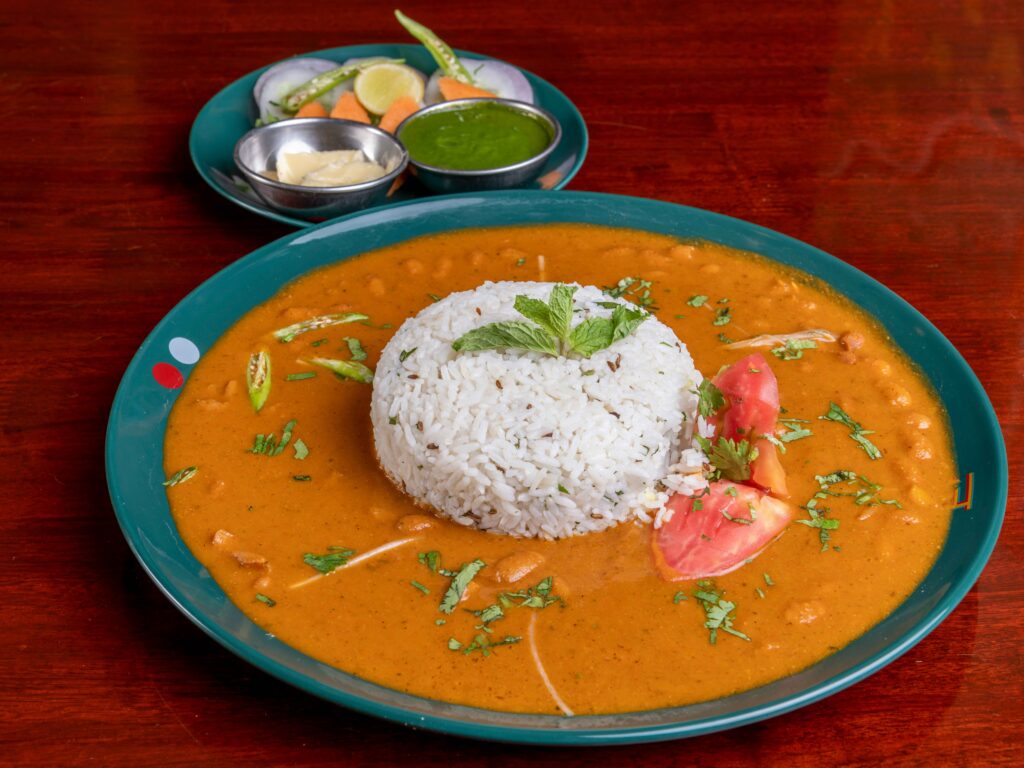
Lunch (1:30 PM–2:30 PM): The Capital of Indian Comfort Food
- Budget (₹120–₹300): Chole bhature, Delhi’s gift to gluttony, at a busy Sita Ram Diwan Chand style institution, or rajma chawal from any packed lunch counter.
- Mid range (₹400–₹900): The old guard: Moti Mahal in Daryaganj (the claimed birthplace of butter chicken and tandoori chicken) if you stayed north, or Khan Market and Pandara Road restaurants near the tomb route for butter chicken, dal makhani, and naan done right.
- Premium (₹1,500–₹3,500): Modern Indian fine dining: the tasting menu scene around Mehrauli and central Delhi ranks among Asia’s best, Indian Accent being the famous flag bearer (book well ahead).
Must try dishes: butter chicken, chole bhature, kebabs and biryani from the Nizamuddin and Jama Masjid lanes, momos (Delhi adopted them and never let go), and kulfi falooda.
Afternoon (2:30 PM–4:30 PM): Choose Your Monument
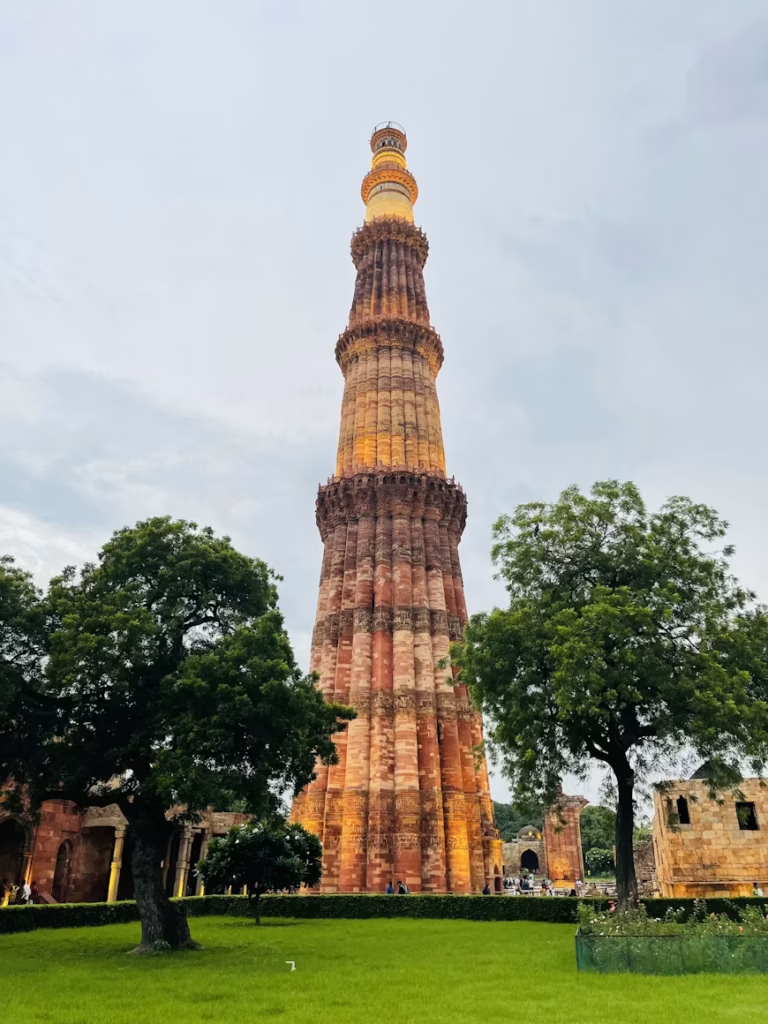
- Option A, Qutub Minar: Metro or cab to Mehrauli for the 73 metre victory tower begun in 1193, the tallest brick minaret in the world, ringed by the ruins of India’s first sultanate: the Quwwat ul Islam mosque, the rust free Iron Pillar, and Alai Darwaza’s carving. Entry roughly ₹35–₹50 Indians, ₹550–₹600 foreign nationals. The adjacent Mehrauli Archaeological Park hides stepwells and tombs for those with extra appetite.
- Option B, the imperial center: India Gate and the Kartavya Path sweep, the war memorial arch, the National War Memorial behind it, and Rashtrapati Bhavan crowning Raisina Hill in the distance. Pair with the National Museum’s treasures (check current status/timings, the central vista institutions have been in transition) or the crafts wonderland of the National Crafts Museum.
Evening (4:30 PM–7 PM): Golden Hour Options
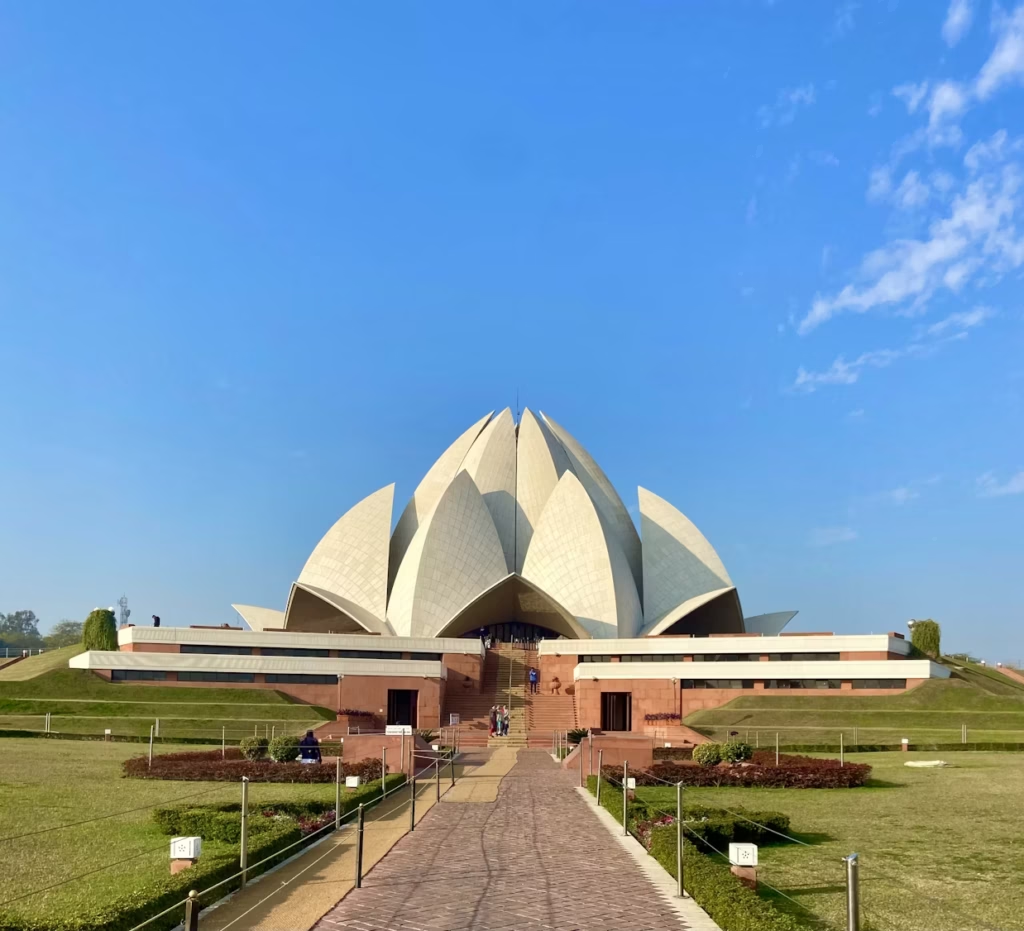
- Lotus Temple: The Bahai house of worship’s marble petals glow at dusk: silent inside, serene outside, free entry, closed Mondays.
- Lodhi Garden: Delhi’s most beautiful public park: 15th century tombs among bougainvillea, joggers, parrots, and perfect light. Free, and very Delhi.
- Connaught Place: The white colonnaded Georgian circle at lamp lighting time: bookshops, street sellers, and a hundred restaurants warming up.
- If it’s a clear winter evening, India Gate after dark, lit amber with ice cream carts and families spread across the lawns, is the city at its most cheerful, save it for after dinner if you did Option B earlier.
Night (7 PM Onwards): Kebabs, Lights, and Delhi’s Second Wind
- Dinner: The Nizamuddin Basti lanes for legendary kebabs and korma at Ghalib Kabab Corner and neighbours, or Karim’s by Jama Masjid if you’re ending north, or the polished global spread of Khan Market and CP.
- Something soulful: Thursday nights bring qawwali at Hazrat Nizamuddin Dargah, sufi music in a 700 year old shrine courtyard, arrive by 6–7 PM, dress modestly, keep wallets close in the lanes. One of the great free experiences in India.
- Street food: Momos and chaat everywhere, the kulfi counters of Old Delhi, and late paratha runs at Moolchand’s stalls for the initiated.
- Nightlife: Hauz Khas Village bars overlooking the medieval reservoir, Connaught Place’s rooftop restaurants and pubs, and the cocktail bar scene across south Delhi, generally lively till midnight–1 AM.
- Safe walking areas: Khan Market, CP’s inner circle, Hauz Khas main stretch, and India Gate lawns stay comfortable in the evening. After midnight, move by app cab rather than on foot, standard Delhi practice.
- Late night: 24/7 delivery, all night paratha and chai points near hospitals and stations, and the airport run is quickest after 11 PM.
Top Attractions in Delhi (Ranked for a One Day Visit)
- Humayun’s Tomb. The Mughal garden tomb masterpiece, gorgeously restored.
- Jama Masjid. Shah Jahan’s grand mosque, transcendent at dawn, minaret view included.
- Red Fort. The sandstone seat of the Mughal empire, UNESCO listed.
- Chandni Chowk and Paranthe Wali Gali. The living, eating, glittering heart of Old Delhi.
- Qutub Minar complex. Eight centuries of history around one soaring tower.
- India Gate and Kartavya Path. The imperial axis, best at dusk and after dark.
- Lodhi Garden. Tombs, trees, and the city’s favourite golden hour.
- Lotus Temple. Modern architectural icon in marble petals.
- Hazrat Nizamuddin Dargah. Sufi devotion and Thursday qawwali.
- Akshardham. Spectacular modern temple complex, but security lines and no phone policy demand a half day, better on a longer trip.
Hidden Gems Most Tourists Miss
- Agrasen ki Baoli: A 14th century stepwell hiding between Connaught Place office towers, 108 steps descending into cool, echoing silence.
- Sunder Nursery: The Mughal garden park beside Humayun’s Tomb, heritage pavilions, lakes, and Delhi’s best picnic lawns.
- Mehrauli Archaeological Park: Stepwells, tombs, and Sultanate ruins scattered through woodland next to Qutub Minar, with a fraction of its crowds.
- Majnu ka Tilla: The Tibetan colony by the Yamuna: monastery, laphing and thukpa joints, and a different Delhi entirely.
- Lodhi Art District: India’s first open air public art district, dozens of giant murals across Lodhi Colony’s blocks.
- Champa Gali: A hidden creative lane of cafes and studios in Saket’s urban village, Delhi’s worst kept best secret.
Delhi Local Food Guide: What to Eat in One Day
Must Try Dishes
- Butter chicken and dal makhani, invented here, perfected here
- Chole bhature, the breakfast that doubles as a life event
- Paranthas from the Gali, ghee fried history
- Seekh kebabs and korma in Jama Masjid and Nizamuddin lanes
- Chaat, aloo tikki, golgappe, dahi bhalla, Delhi takes chaat personally
- Momos, the adopted child that took over the city
Street Food Zones
- Chandni Chowk for the classics: paranthas, jalebi, dahi bhalla, kachori
- Jama Masjid’s Matia Mahal lane for kebabs, nihari, and shahi tukda
- Bengali Market and UPSC area for chaat and chole bhature institutions
- Dilli Haat for a curated, clean tour of regional Indian food stalls (entry ticket applies)
Vegetarian Options
Delhi is a vegetarian superpower: chole bhature, rajma chawal, paranthas, the entire chaat universe, saag and makki di roti in winter, and legendary sweet shops. Half the city’s iconic institutions are pure veg.
Desserts
- Jalebi from the Old Famous Jalebi Wala, hot and thick
- Kulfi falooda at Roshan Di Kulfi or Old Delhi counters
- Daulat ki chaat, the winter only milk foam miracle of Chandni Chowk mornings
- Shahi tukda after kebabs in the Jama Masjid lanes
Drinks
- Masala chai everywhere, always
- Banta, the lemon soda in the marble stopper bottle
- Sugarcane juice and shikanji in the hot months
- Specialty coffee scene thriving in Khan Market, GK, and Champa Gali
Budget Breakdown: What One Day in Delhi Actually Costs (2026)
| Expense | Budget | Mid Range | Comfortable |
|---|---|---|---|
| Transport (metro/auto vs cabs) | ₹150–₹250 | ₹500–₹900 | ₹1,500–₹2,500 |
| Breakfast | ₹100–₹180 | ₹200–₹350 | ₹500+ |
| Lunch | ₹150–₹300 | ₹500–₹900 | ₹2,000–₹3,500 |
| Dinner + snacks | ₹200–₹350 | ₹600–₹1,200 | ₹2,000+ |
| Entry tickets (2–3 monuments) | ₹100–₹150 (Indian) | ₹150–₹250 | ₹1,500+ (foreign national rates) |
| Rickshaw / shopping / misc | ₹100–₹250 | ₹500–₹1,000 | ₹2,000+ |
| Daily Total | ₹800–₹1,300 | ₹2,500–₹4,500 | ₹8,000+ |
Transportation Guide: Getting Around Delhi in a Day
- Metro: The single most important tool in this itinerary. Ten plus lines, ₹10–₹60 fares, women’s coach at the front, and stations at or near every stop in this guide (Jama Masjid, Lal Qila, JLN Stadium/Hazrat Nizamuddin area, Qutub Minar, Central Secretariat for India Gate). Use a smart card or QR tickets, avoid the 9–10 AM and 6–7 PM crush where possible. The Airport Express line reaches New Delhi station in about 20 minutes.
- App cabs and autos: Uber, Ola, and Rapido are cheap and everywhere: autos ₹60–₹200 for typical hops. Insist street autos use apps or agree fares first.
- Cycle rickshaws: The correct vehicle for Chandni Chowk’s lanes, ₹50–₹200 by distance, settle before boarding.
- Buses: Extensive and very cheap, but the metro outclasses them for visitors.
- Walking: Old Delhi lanes, Lodhi Garden, Kartavya Path, and Khan Market are the walking zones. Summer moves walking to mornings and evenings.
- HoHo alternative: Delhi Tourism’s hop on hop off bus exists for those who want zero logistics, but the metro plus this route beats it for time.
Best Photography Spots in Delhi
- Sunrise: Jama Masjid courtyard and minaret view; Chandni Chowk waking up; winter mist in Lodhi Garden
- Sunset: Humayun’s Tomb glowing red gold; Qutub Minar from the archaeological park; Lotus Temple petals against dusk sky
- Architecture: The tomb’s symmetry from the charbagh axis; Alai Darwaza’s carvings; CP’s white colonnades; Agrasen ki Baoli’s descending arches
- Street: Spice porters in Khari Baoli; jalebi being pulled from the kadhai; cycle rickshaw traffic jams; Lodhi Art District murals
- Instagram worthy: The minaret rooftop sea of Old Delhi; banta bottles on ice; India Gate lit at night from the lawns; daulat ki chaat foam close ups in winter
Safety Tips for Delhi
- Scams: Delhi’s classics: the “your hotel is closed/tourist office” taxi routine near stations (walk on, prepaid or app only), inflated auto quotes at monuments, and gem or tour deals from friendly strangers in CP. Book everything yourself.
- Crowds and belongings: Chandni Chowk, metro rush, and festival gatherings demand front pockets, zipped bags, and phone awareness.
- For women travelers: The metro’s women’s coach is excellent, app cabs with ride sharing details on, and prefer busy well lit areas after 10 PM. Delhi requires more assertiveness than Mumbai or Kolkata, most visits pass without incident, but stay switched on.
- Air quality: November to January can bring severe smog episodes. Check the AQI, carry an N95 on bad days, and shift outdoor blocks to midday when it’s poorest at dawn.
- Heat: April to June, treat the sun as a hazard: hydrate, electrolytes, and monument climbs before 10 AM.
- Emergency contacts: 112 national emergency, 100 police, 108/102 ambulance, 1091 women’s helpline, Delhi Police tourist assistance at major hubs.
10 Practical Travel Tips from a Local Perspective
- The metro is your itinerary’s skeleton, buy the smart card or day pass first thing and traffic stops existing.
- Old Delhi before 10 AM is a different, better city: cool, uncrowded, and photogenic.
- Monday closes the Red Fort and several museums, run the Tuesday to Sunday version of this plan or swap in gardens and bazaars.
- Carry small cash for rickshaws, chaat, and chai, UPI handles everything else.
- Dress modestly and carry a scarf/cap for mosques, gurudwaras, and the dargah.
- Foreign nationals: monument tickets add up (₹500–₹600 each), pick two or three headliners rather than collecting all.
- Winter visitors: hunt daulat ki chaat in Chandni Chowk mornings, it exists only in the cold months.
- Thursday evening in Delhi means Nizamuddin qawwali, rearrange the night around it if your day aligns.
- Eat dinner where you end up, not across town, Delhi distances after 7 PM are traffic, not kilometres.
- Keep the airport buffer generous: security queues at IGI, like everything in Delhi, run on their own majestic scale.
Common Mistakes Tourists Make in Delhi
- Trusting station touts about “closed” hotels and offices. The oldest trick in the capital, walk to the prepaid booth or open the app.
- Doing Old Delhi at midday. Heat plus crowds plus traffic equals misery, dawn is the cheat code.
- Planning by distance instead of metro lines. Two stops on the map can be 90 minutes by road.
- Cramming Agra into the same day as Delhi sightseeing. The Taj is a separate (excellent) day trip via the expressway or Gatimaan Express.
- Skipping Humayun’s Tomb because “we’re seeing the Taj later”. They’re siblings, not substitutes, and this one you can practically have to yourself at opening time.
- Paying the first quoted price to auto drivers at monuments. Apps or firm bargaining, always.
- Ignoring AQI in winter. Checking it takes ten seconds and can reshape a much healthier day.
FAQ: One Day in Delhi
Is one day enough in Delhi?
One day covers the icons across both cities: Jama Masjid, Chandni Chowk, the Red Fort, Humayun’s Tomb, and Qutub Minar or India Gate. Delhi’s museums, Akshardham, and neighbourhood depth need extra days.
Is Delhi expensive?
No, the metro costs coins, street food is ₹20–₹150 a dish, and Indian citizens pay ₹35–₹50 at monuments. Foreign national tickets (₹500–₹600 per monument) are the main premium.
What is the best time to visit Delhi?
October to March, with February and March offering the best air and blooming gardens. Winter mornings can be smoggy, summers are extreme.
Is Delhi safe for solo travelers?
Yes with awareness: millions visit smoothly every year. Use the metro and app cabs, dodge station touts, and keep night movement to busy areas and cabs. Women travelers should use the women’s metro coach and standard big city vigilance.
What food must I try in Delhi in one day?
Paranthas in the Gali, chole bhature, butter chicken, Old Delhi kebabs, chaat, and jalebi, with daulat ki chaat as the winter bonus.
Is public transport in Delhi good?
The Delhi Metro is world class: fast, cheap, air conditioned, and connected to almost every sight in this guide, including the airport.
What is the best area to stay for one day?
Connaught Place or the Paharganj area for budget central access, Khan Market/Lutyens zone for comfort, all sit on or near metro lines to everything.
Can I visit the Taj Mahal from Delhi in the same day?
As a separate day trip, yes, the expressway or Gatimaan Express makes Agra a comfortable single day outing. Combining Agra with Delhi sightseeing in one 24 hour block ruins both.
Which monuments close on Monday?
The Red Fort and most museums close Mondays, and the Lotus Temple also closes Mondays. Humayun’s Tomb and Qutub Minar open daily.
What should I avoid in Delhi?
Station tout “help”, unmetered autos at tourist spots, midday Old Delhi in summer, drinking tap water, and overpacking the itinerary across traffic zones.
Is Delhi good for vegetarians?
Outstanding, Delhi may be the best vegetarian food city in the world: chaat, chole bhature, paranthas, rajma chawal, and legendary sweets everywhere.
How bad is the air pollution?
Variable: October to January can see severe episodes, while February to September is usually moderate. Check the AQI daily in winter and carry a mask for bad days.
Final Word
One day in Delhi is a time machine with a metro card: sultanates before breakfast, Mughal marble by noon, imperial avenues at dusk, and kebabs in 700 year old lanes after dark. The city doesn’t simplify itself for anyone, but sequenced right, it hands a single day more history, more flavour, and more sheer story than most countries manage in a week. You’ll leave exhausted, overfed, and already partitioning your next trip: one day for Old Delhi alone, one for the museums, one for Agra. That’s not a flaw in the plan. That’s Delhi doing what Delhi does.